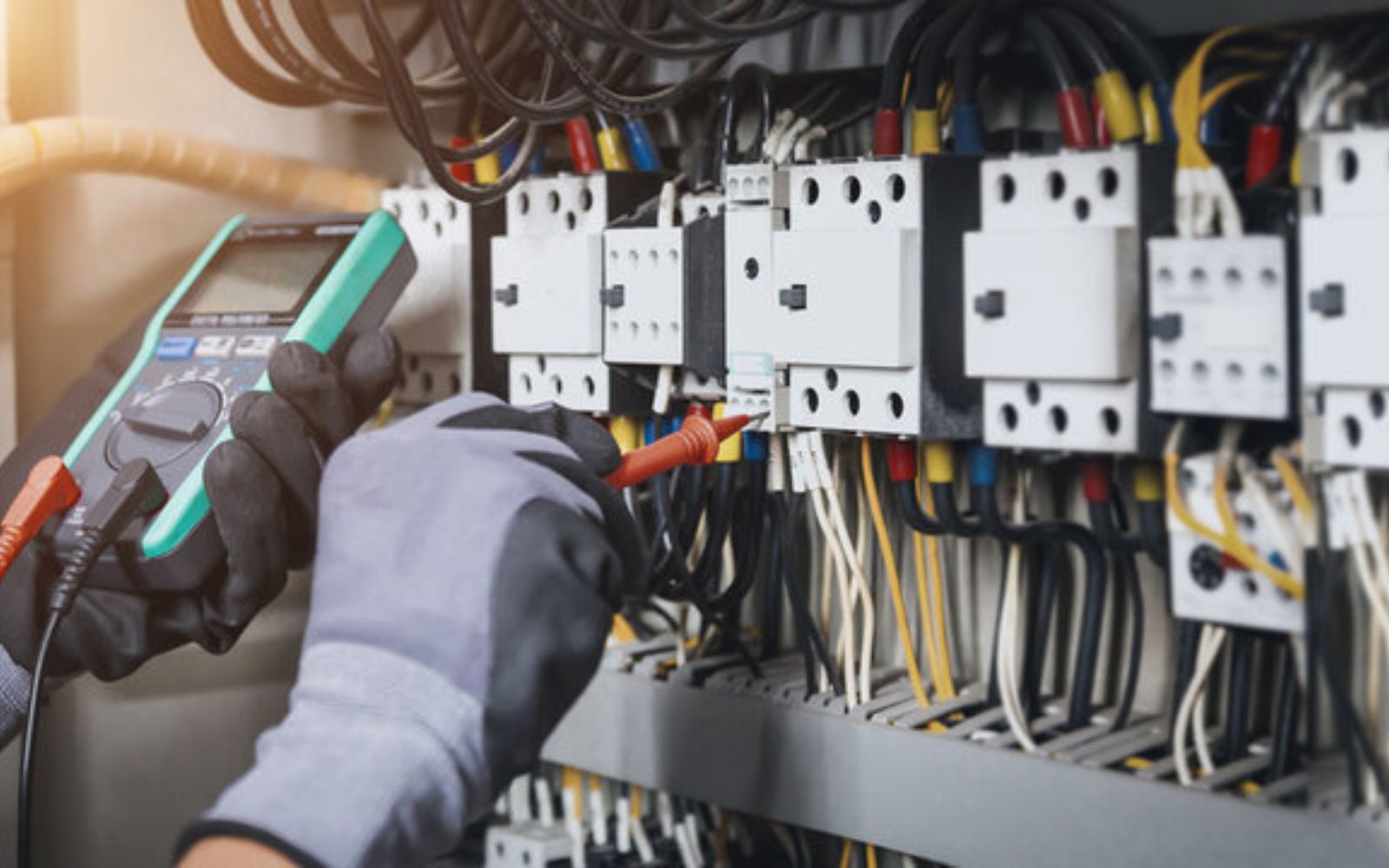
Alarm system installation has become a requirement rather than a luxury in today’s world, whether for homes or commercial properties. With rising crime rates, the risk of unauthorized access and the growing importance of protecting people and assets, alarm systems provide a strong layer of security. In homes, alarm systems help keep family members safe, while in offices, shops, warehouses and commercial buildings, these systems protect against theft, intrusion, and emergencies. Still, simply installing an alarm system is not enough. Proper planning, skilled installation and correct configuration are very important. In this detailed guide, we will understand what alarm system installation involves, which systems are most suitable for homes and commercial properties, how the installation method works and which elements should be carefully considered.
What Are Alarm Systems and How Do They Work:
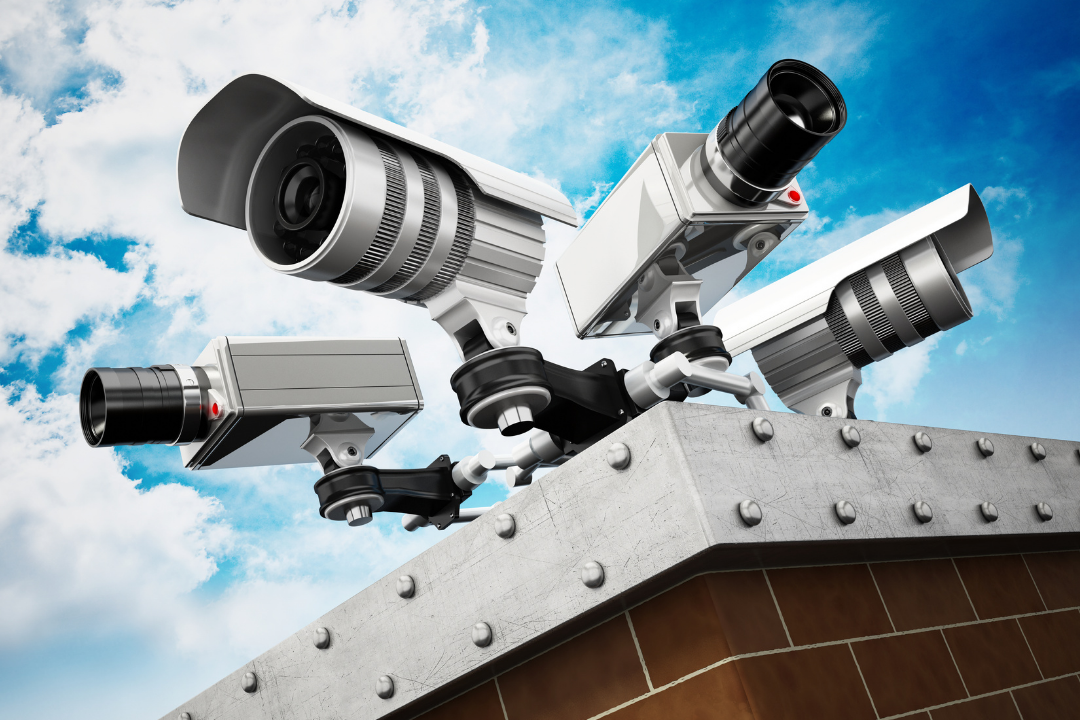
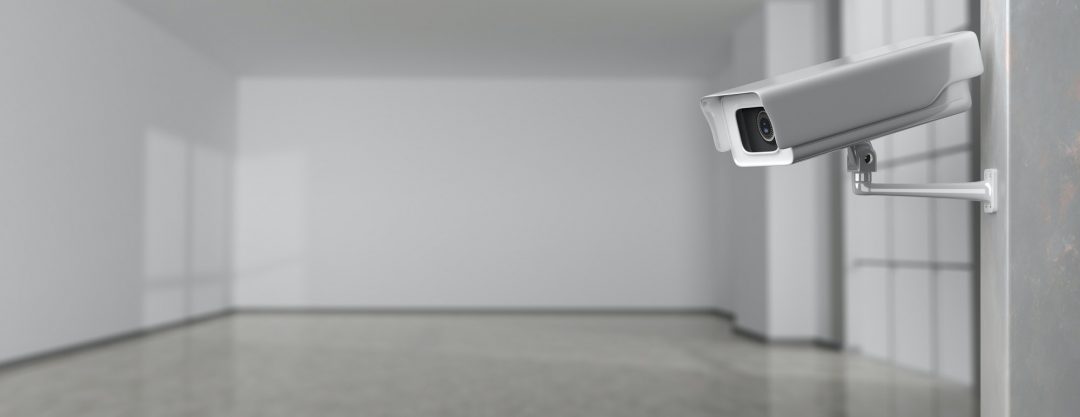
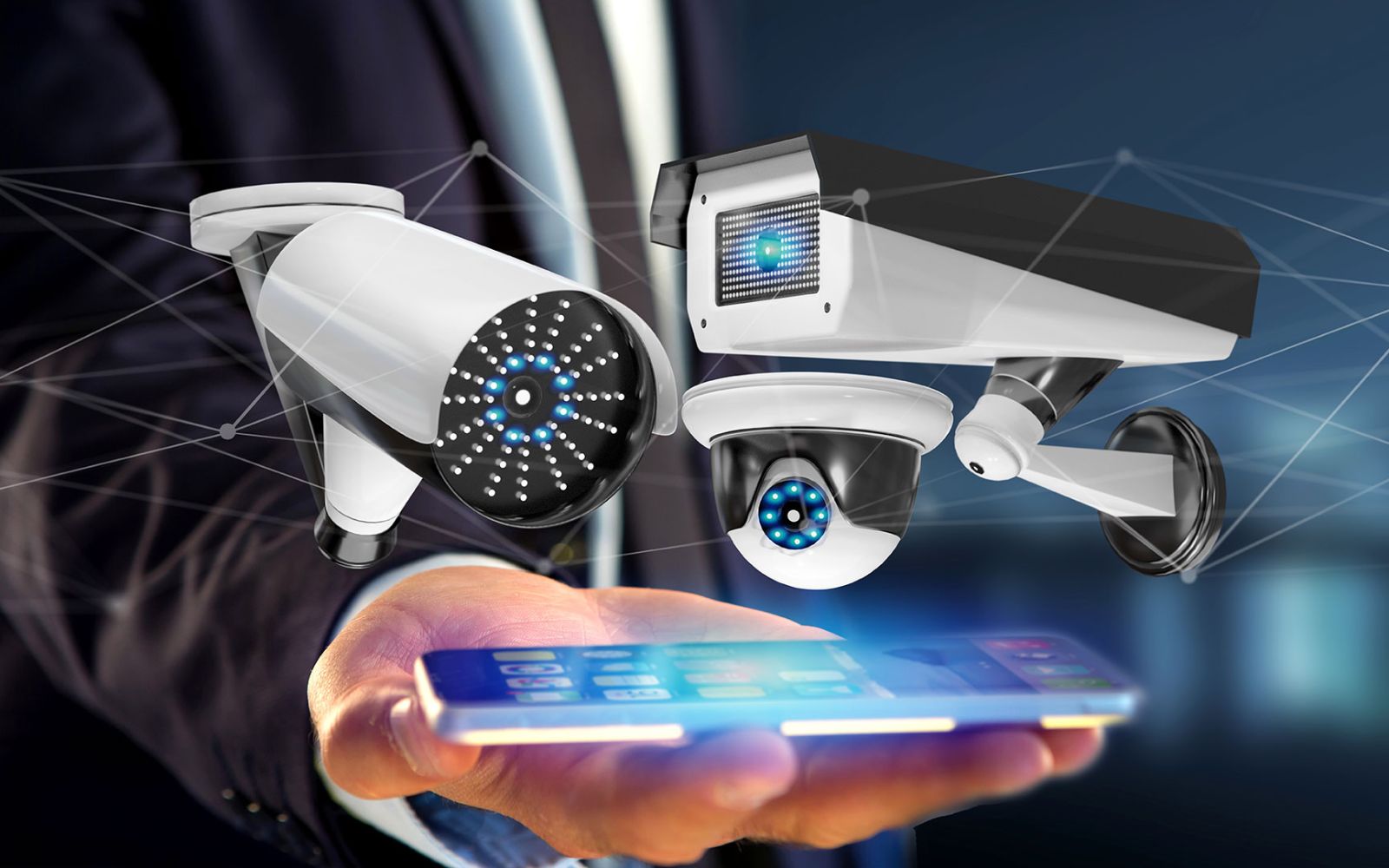
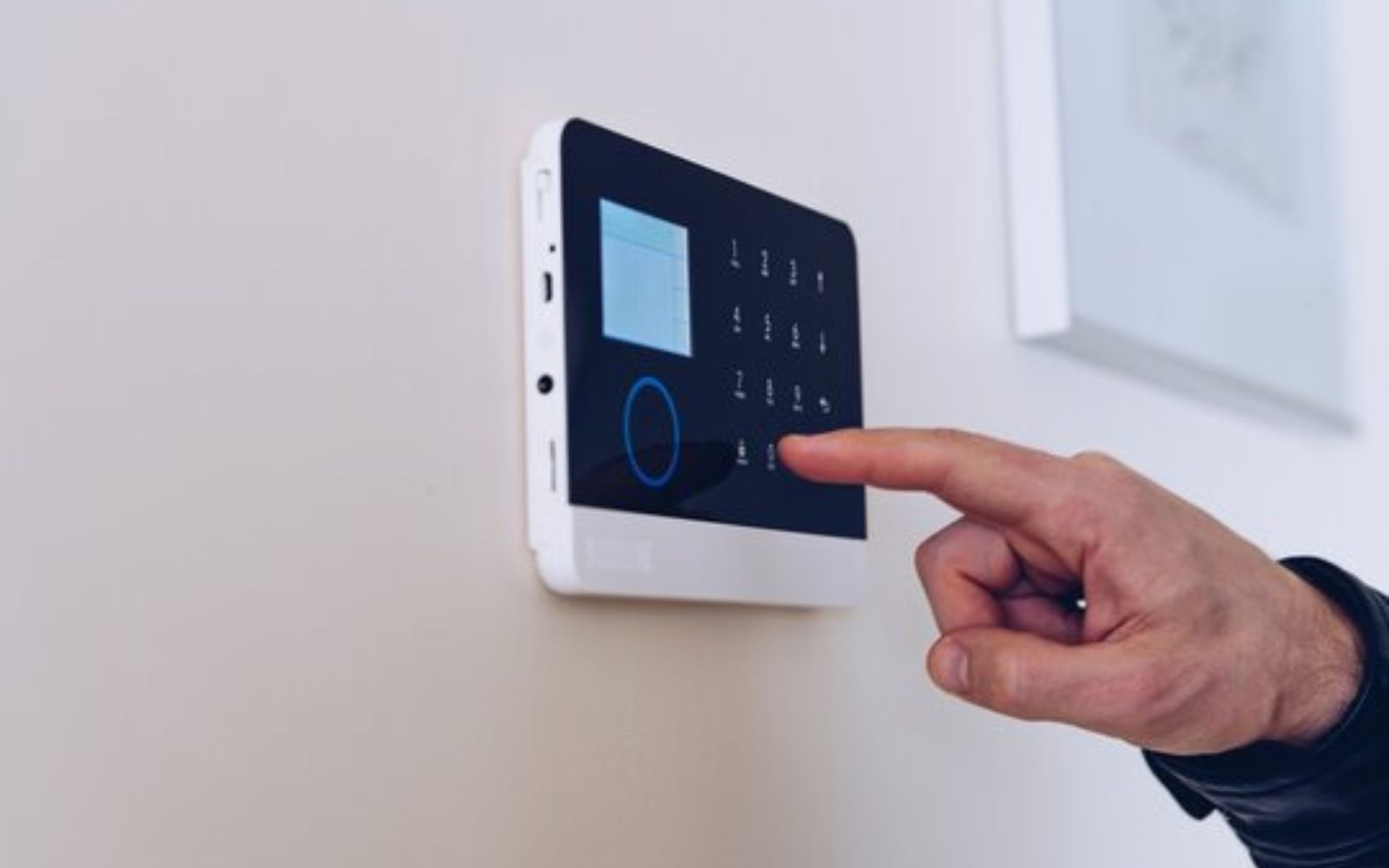
Alarm systems are electronic security systems designed to detect unauthorized activity, interference, fire, smoke or emergency situations and create alerts. These alerts can be in the form of loud sirens or notifications sent to a monitoring center and the property owner’s mobile phone. Alarm systems include sensors, a control panel and alert devices. Sensors detect doors, windows, motion and smoke, while the control panel acts as the brain of the system, receiving signals and triggering appropriate actions. The basic concept of alarm systems is the same for both homes and commercial properties, but the scale, difficulty and level of personalization vary.
The Importance of Alarm System Installation for Homes:
The purpose of alarm system installation in homes is not limited to robbery prevention; it is mainly about guaranteeing the overall safety of the family. When the house is empty, at night or while on vacation, an alarm system works like a silent guard. Door and window sensors quickly detect forced entry, while motion sensors identify movement inside the house.
The Need for Alarm Systems in Commercial Properties:
In commercial properties such as offices, shops, malls, factories and warehouses, the role of alarm systems becomes even more important. These properties want to protect not only people but also provide reasonable tools, record and confidential data. Commercial alarm systems are more advanced and commonly include many zones, access control integration and 24/7 monitoring. In case of unauthorized entry, the system not only activates a siren but also alerts the monitoring center and security teams. This helps reduce losses and guarantee a faster response to security incidents.
Planning and Assessment Before Alarm System Installation:
Proper planning and site assessment are important before installing an alarm system. Every property has a different plan, size and level of security risk, which means one solution does not fit all. A skilled installer surveys the property, identifies entry points and decides where every sensor should be installed. In homes, the focus is commonly on doors, windows and common areas, while commercial properties require coverage of many entrances, emergency exits and restricted areas. Good planning also makes future developments and system improvements much easier.
The Difference Between Wired and Wireless Alarm Systems:
Alarm systems are available in both wired and wireless options. Wired alarm systems are more stable and reliable, but they require more time and wide cabling during installation, making them more suitable for new construction projects. Wireless alarm systems are easier to install and are commonly preferred for existing homes and offices. These systems work on batteries and wireless signals and combine easily with mobile applications. Installers suggest the best option based on the property’s condition and the customer’s budget.
The Professional Alarm System Installation Process:
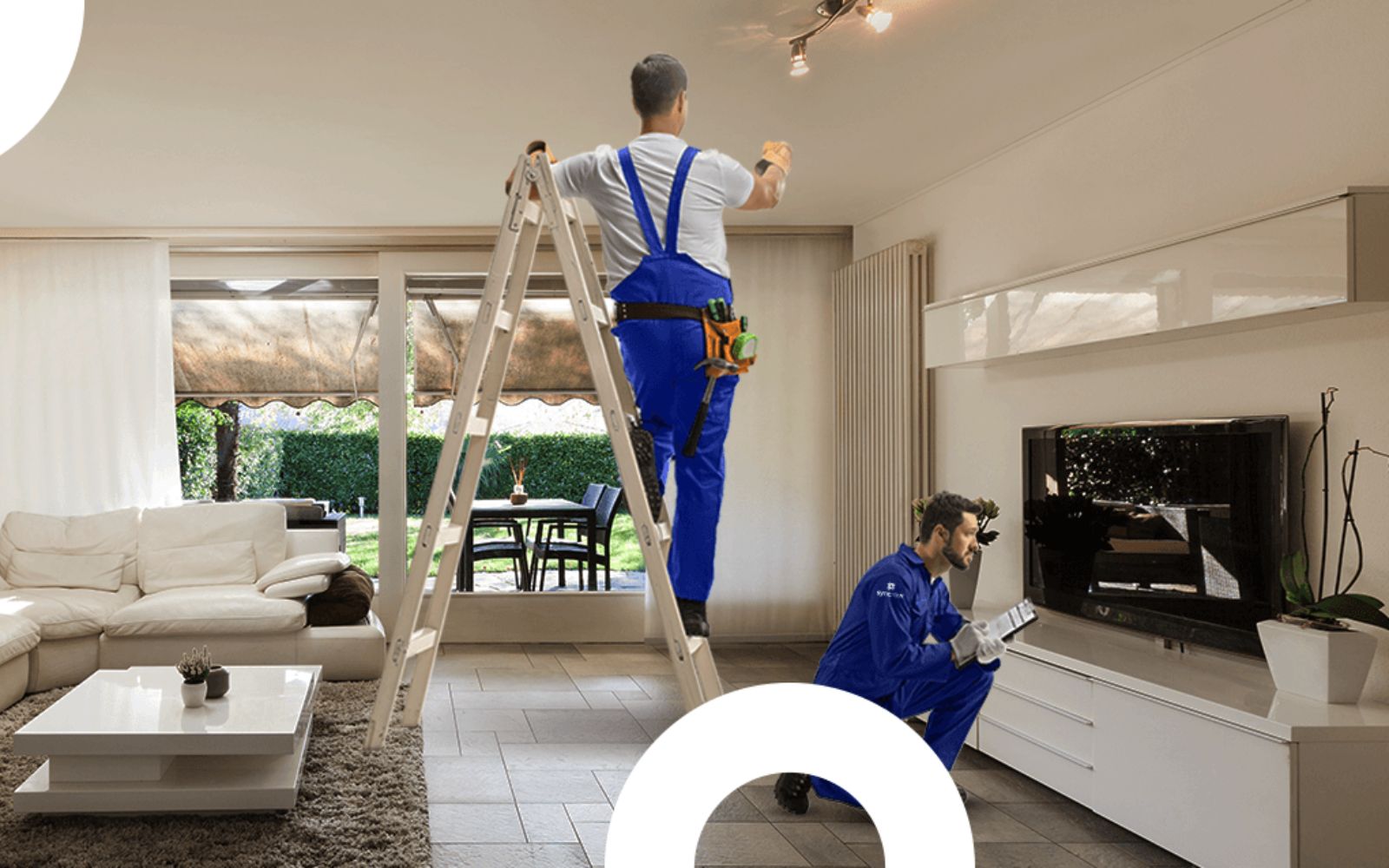
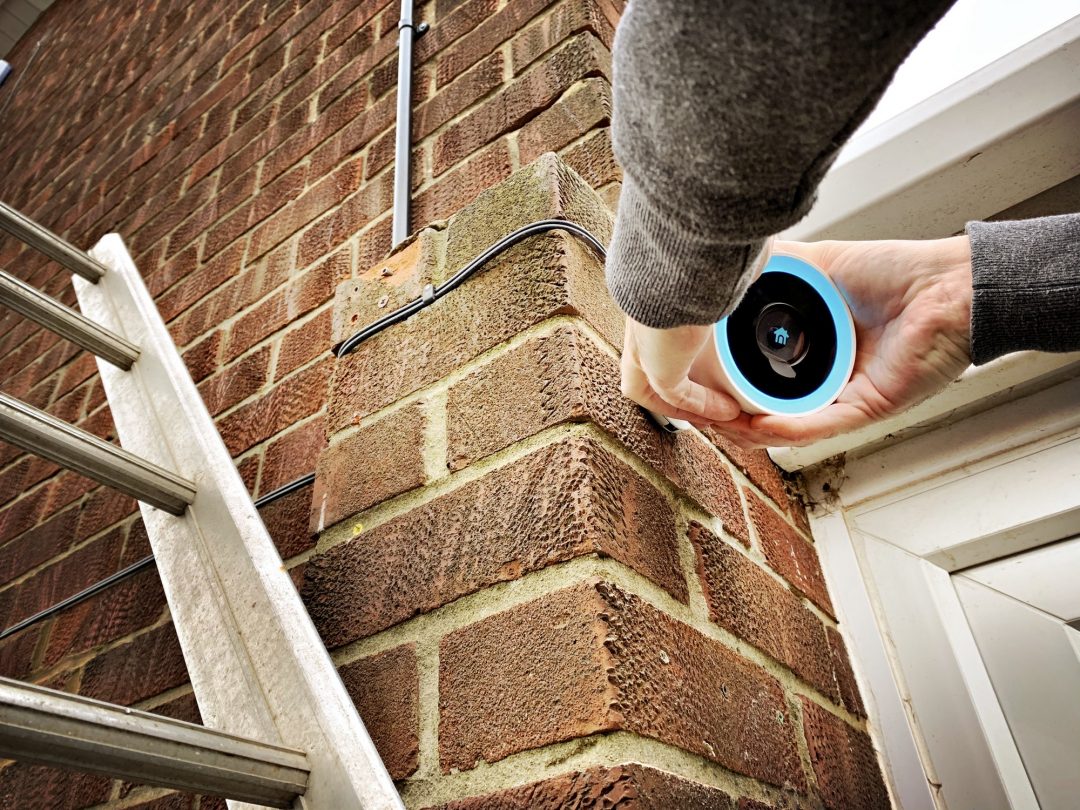
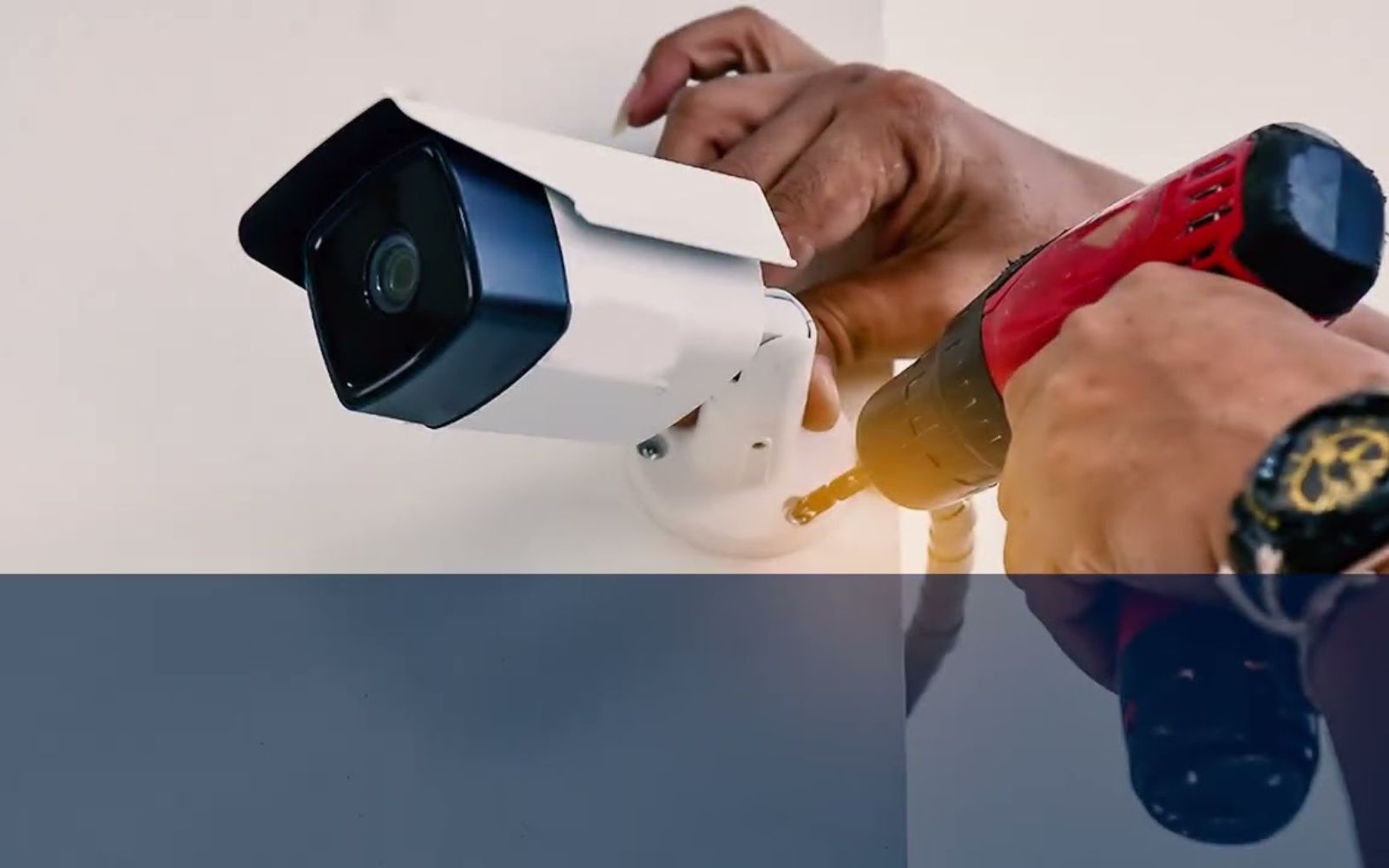
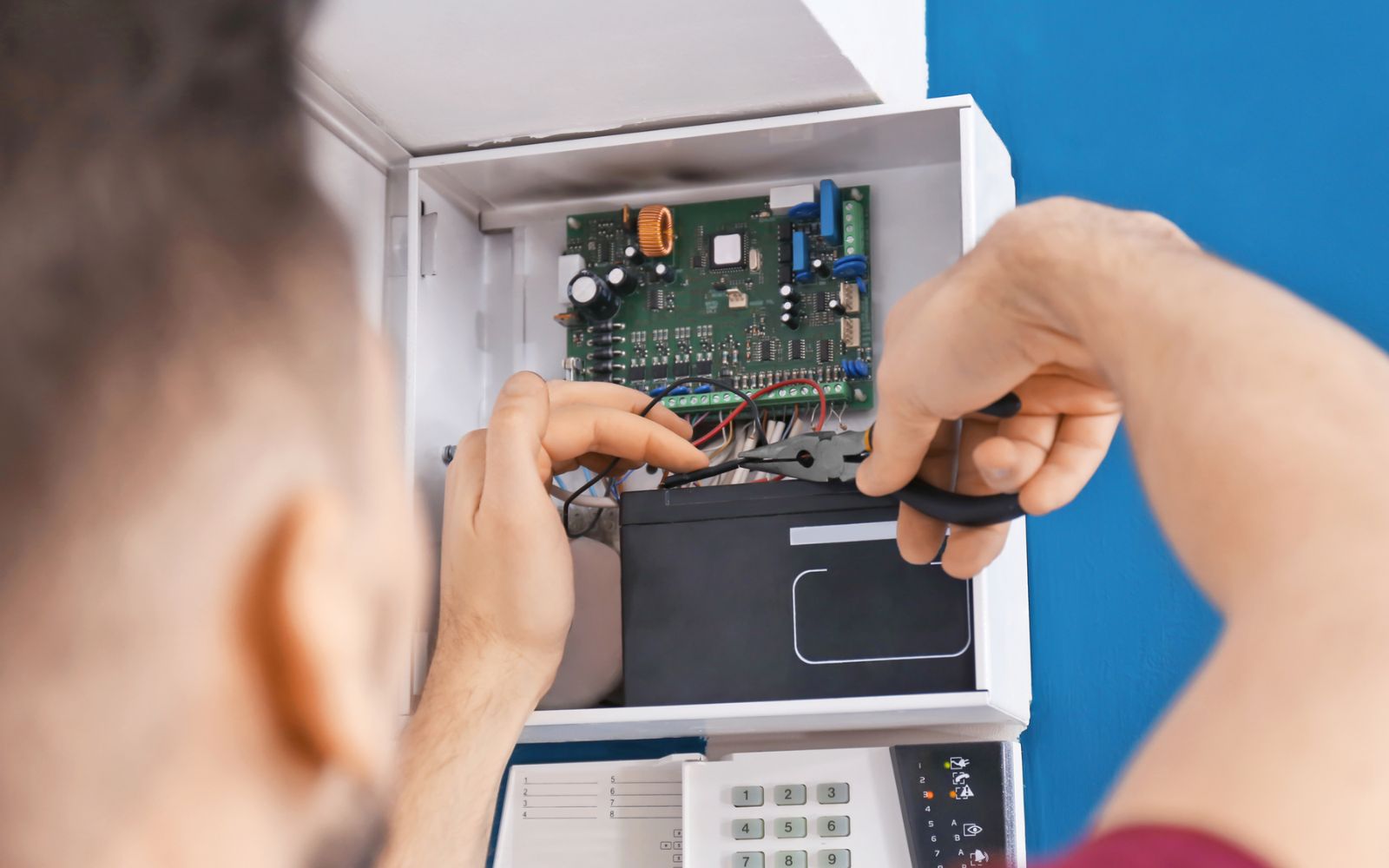
Professional alarm system installation follows a structured method where every step plays an important role. First, the control panel is installed in a secure and central location so that all sensors can communicate successfully. Door and window sensors are installed next, followed by motion detectors placed in areas that provide maximum coverage. Sirens and alarm sounders are installed in locations where the sound can be clearly heard. After installation, the complete system is tested to guarantee all sensors are working properly and alerts are set up correctly.
Monitoring Services and Remote Access:
Modern alarm systems are no longer limited to local sirens; they are connected to skilled monitoring services. Monitoring centers observe the system 24/7 and respond quickly in case of an emergency. For homes, this service provides peace of mind, while for commercial properties, it is an important layer of security. With remote access, property owners can arm or disarm the system, receive alerts and review activity logs using their mobile phones. This element is especially useful for business owners who need firm oversight.
Maintenance and Regular System Checks:
Ignoring maintenance after alarm system installation is a common mistake. Regular system checks and maintenance guarantee the system remains reliable and ready at all times. Battery replacement, sensor adjustment and software updates are all part of proper maintenance. Skilled service providers offer regular surveys that are suggested for equally homes and commercial properties. Regular maintenance reduces the chances of false alarms and system failures.
Differences Between Home and Commercial Alarm Systems:
Home alarm systems focus on clarity and ease of use, while commercial alarm systems are designed for scalability and advanced functionality. Commercial systems support many users, access levels and detailed reporting features. In homes, graceful and perfect installation is important, while in commercial properties, durability and regulatory compliance are the main priorities. Skilled installers understand these differences and provide personalized solutions accordingly.
Why You Should Hire a Skilled Installer:
Installing an alarm system yourself may look reasonable, but in the long run, it can be risky. Skilled installers follow industry standards, comply with safety regulations and set up systems in a way to minimize alarms. Proper installation increases the system’s lifespan and guarantees reliability during emergencies. For both homeowners and business owners, skilled installation is a smart and secure investment.
Conclusion:
Alarm system installation is an important security step for both homes and commercial properties, protecting people, assets and peace of mind. If you need basic security for your home or advanced protection for a commercial facility, proper planning and skilled installation are important for the system to perform successfully.