The term low voltage cabling contractors is being noticed many times in today’s latest and technology-driven times, but many people still do not clearly understand what services these contractors actually provide and why their role is becoming increasingly important. When we use the internet, security cameras, access control systems, fire alarms and audio-video systems in offices, commercial buildings, hospitals, schools, shopping malls or even in our homes, there is a complete low-voltage cabling system working behind all of it. These systems do not work on high voltage electricity but instead function on low voltage, which is why they are called low voltage systems. Low-voltage cabling contractors are professionals who manage the planning, installation, testing, maintenance and improvement of these systems. In this detailed content, we will try to understand what low-voltage cabling contractors are, what kinds of services they provide and why hiring their services for any project is considered a smart and safe decision.
What Is Low Voltage Cabling and Why Is It Important:
Low-voltage cabling refers to wiring and cabling systems that commonly operate at 50 volts or less. This type includes data cables, network cables, telephone wiring, security system wiring, fire alarm cables and audio-video cables.
The plan and purpose of these systems is not just power supply but mainly data transmission, communication and control. In today’s advanced times, where almost everything is connected to the internet and smart technology, no modern building is considered complete without low-voltage cabling.
Low-voltage cabling contractors guarantee that every cable follows the correct route, remains protected from interference and is scalable for future requirements. Incorrect installation can lead not only to performance issues but also to security risks and expensive repairs.
Network Cabling and Structured Cabling Services:
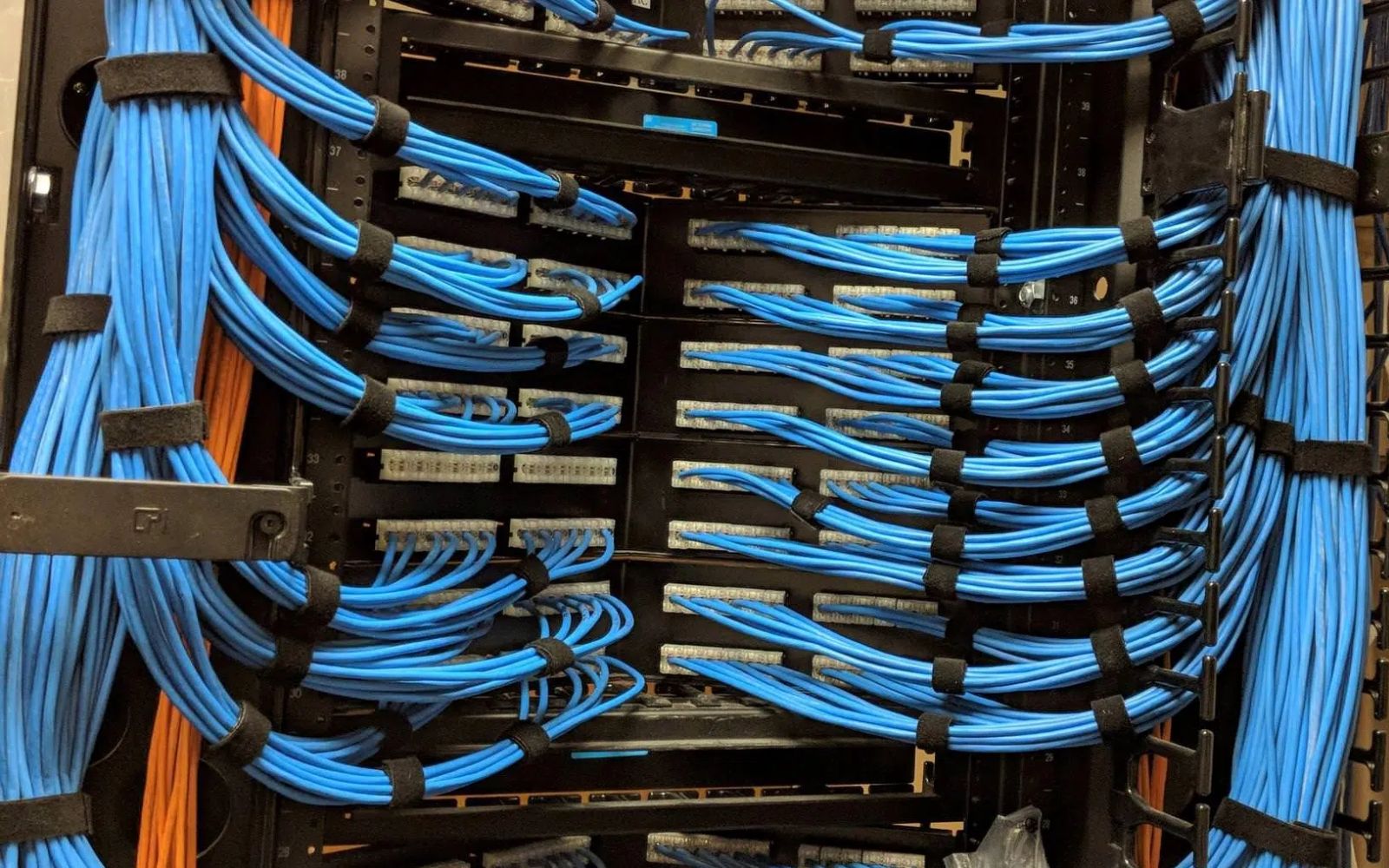
One of the most common and important services provided by low-voltage cabling contractors is network cabling. Connecting computers, servers, printers and network devices in offices and commercial buildings is a very technical plan. Structured cabling is a system in which all network cables are installed in an organized and systemitized style. This makes the network more reliable, troubleshooting easier and future development more manageable. Low-voltage cabling contractors install Cat5e, Cat6, Cat6a and fiber optic cables, which are used for different speed and bandwidth requirements. These experts guarantee that cables are properly labeled, patch panels are installed correctly and network racks are designed successfully.
Security Camera Systems and Surveillance Installation:
Security has become a main priority for property owners today. Low-voltage cabling contractors provide complete installation services for CCTV cameras and surveillance systems. This includes indoor and outdoor cameras, IP cameras and NVR and DVR systems.The contractor conducts a site inspection, plans camera placement and installs wiring and cabling in a way that guarantees maximum coverage and clear footage. Skilled contractors also arrange elements such as night vision, motion detection and remote monitoring.Poor cabling or unskilled installation can result in weak signals or loss of footage, which is why the role of a skilled low-voltage cabling contractor is very important in this area.
Access Control Systems and Door Entry Solutions:
The use of access control systems is highly increasing in commercial buildings, offices, hospitals and housing areas. Low-voltage cabling contractors install card readers, biometric systems, keypads and electric locks. These systems do more than just lock and unlock doors; they also maintain complete records of who enters, when and from where. Contractors guarantee that cabling remains secure, the system is reliable and it is properly combined with power backup solutions. Proper installation of access control systems importantly improves security and reduces the risk of illegal access.
Fire Alarm Systems and Life Safety Cabling:
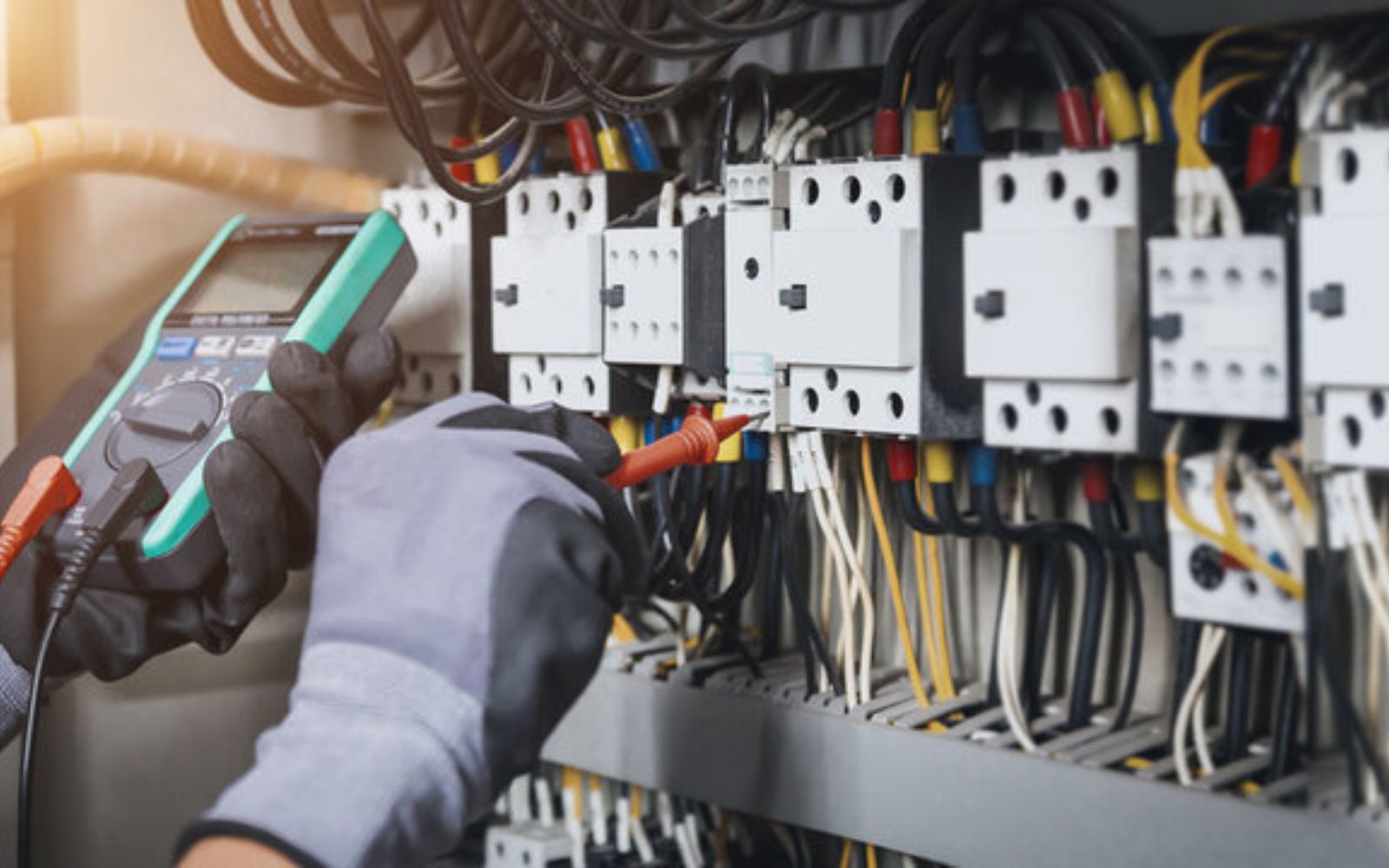
Fire alarm systems are very important for life safety in any building. Low voltage cabling contractors manage the wiring and installation of fire alarm panels, smoke detectors, heat detectors and notification devices. This work must follow strict codes and regulations, which is why an experienced contractor is important. Fire alarm cabling is routed with specially designed paths to guarantee the system does not fail during an emergency. Contractors also perform system testing and appoint to confirm that alarms activate at the right time and provide timely warnings to holders.
Audio Video Systems and Conference Room Setup:
Audio-video systems have become very common in advanced offices and homes. Low voltage cabling contractors provide cabling and installation services for conference rooms, home theatres, digital signage and public address systems. This includes wiring for speakers, microphones, projectors, LED screens and control panels. The contractor’s job is to guarantee clear sound quality, stable video signals and an eco-friendly system. Proper AV cabling improves the skill and smoothness of meetings and presentations.
Telephone Systems and VoIP Cabling:
From traditional telephone systems to the latest VoIP systems, low-voltage cabling contractors manage installation and arrangement for all types. Telephone systems remain basic for internal communication in offices. VoIP systems manage calls with the internet, making their cabling and network arrangement especially critical. Contractors guarantee good call quality, low latency and secure systems. Without proper cabling, VoIP systems commonly suffer from call drops and poor voice clarity.
Smart Home and Automation Systems:
The trend of smart homes is growing rapidly, where lighting, security, climate control and entertainment systems are all managed from a single platform. Low-voltage cabling contractors provide wiring and integration services for smart home systems. This includes sensors, control panels, smart switches and automation hubs. Contractors guarantee that all devices are compatible with each other and that the system is ready for future improvements. Without proper planning and cabling, smart home systems cannot perform at their full potential.
Maintenance, Troubleshooting, and System Upgrades:
The job of low-voltage cabling contractors does not end after installation. These professionals provide maintenance services that include system surveys, fault detection and repairs. If a network becomes slow, camera signals weaken or audio-video systems develop issues, the contractor troubleshoots and identifies the root cause of the problem. In addition, system improvements are performed as technology evolves, guaranteeing the building remains agreeable with the latest standards.
Conclusion:
Low-voltage cabling contractors have become an important part of the latest buildings. If it is network cabling, security systems, fire alarms or smart home automation, these systems cannot function properly or safely without skilled experts. Low-voltage cabling contractors do more than just connect wires; they design complete and complete solutions that improve communication, security and performance. If you are working on a new construction project or planning to improve an existing building, hiring a skilled low-voltage cabling contractor is a smart investment that provides long-lasting benefits.