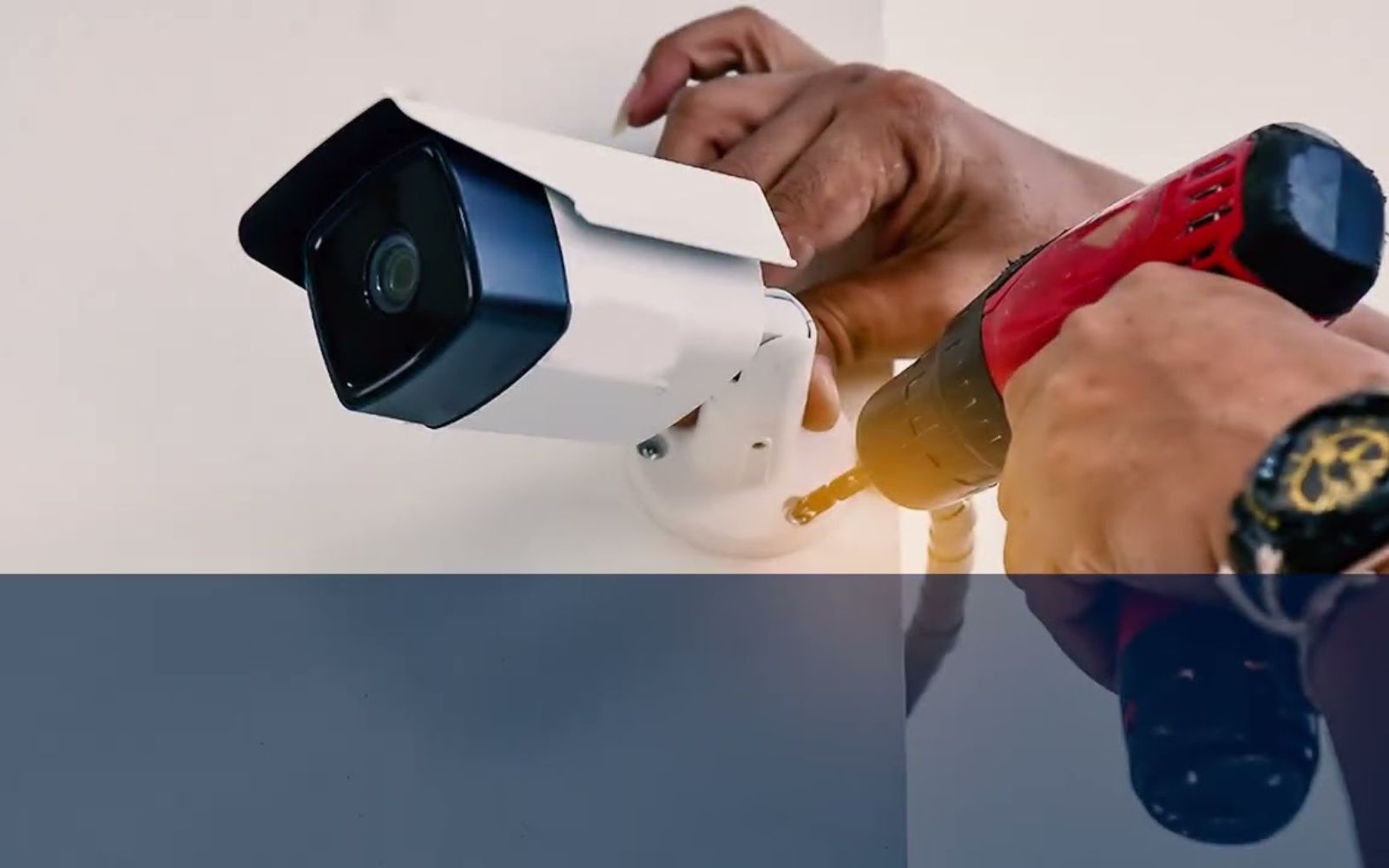
Surveillance camera installation has become an important part of the latest security, whether for residential properties or commercial buildings. In the past, only banks, factories and large companies used surveillance cameras, but today CCTV and security systems are common in homes, apartments, housing societies and small shops as well. The reason is not only the fear of crime but also the need for peace of mind, monitoring and reliable evidence. Knowing your home or business is monitored 24/7 increases your confidence and sense of safety. Still, residential and commercial surveillance camera solutions differ. Their needs, scale, budget and installation method differ importantly. In this detailed content, we will explain what surveillance camera installation is, how residential and commercial solutions differ and how proper planning and skilled installation can help achieve maximum security.
What Are Surveillance Camera Systems and Their Purpose:
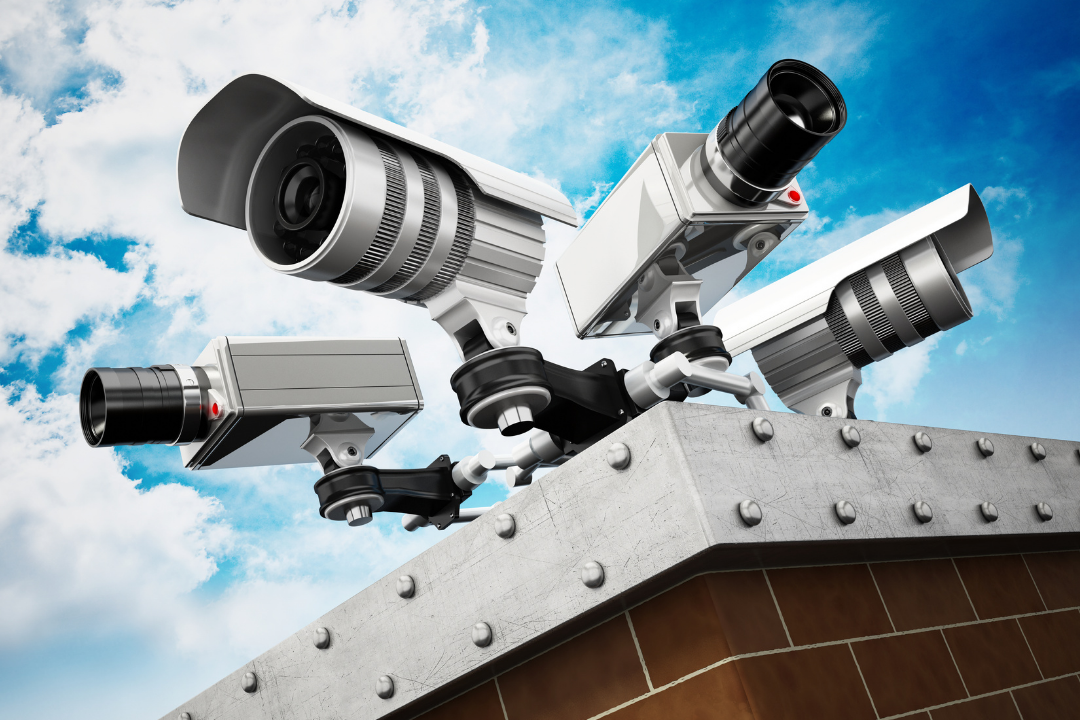
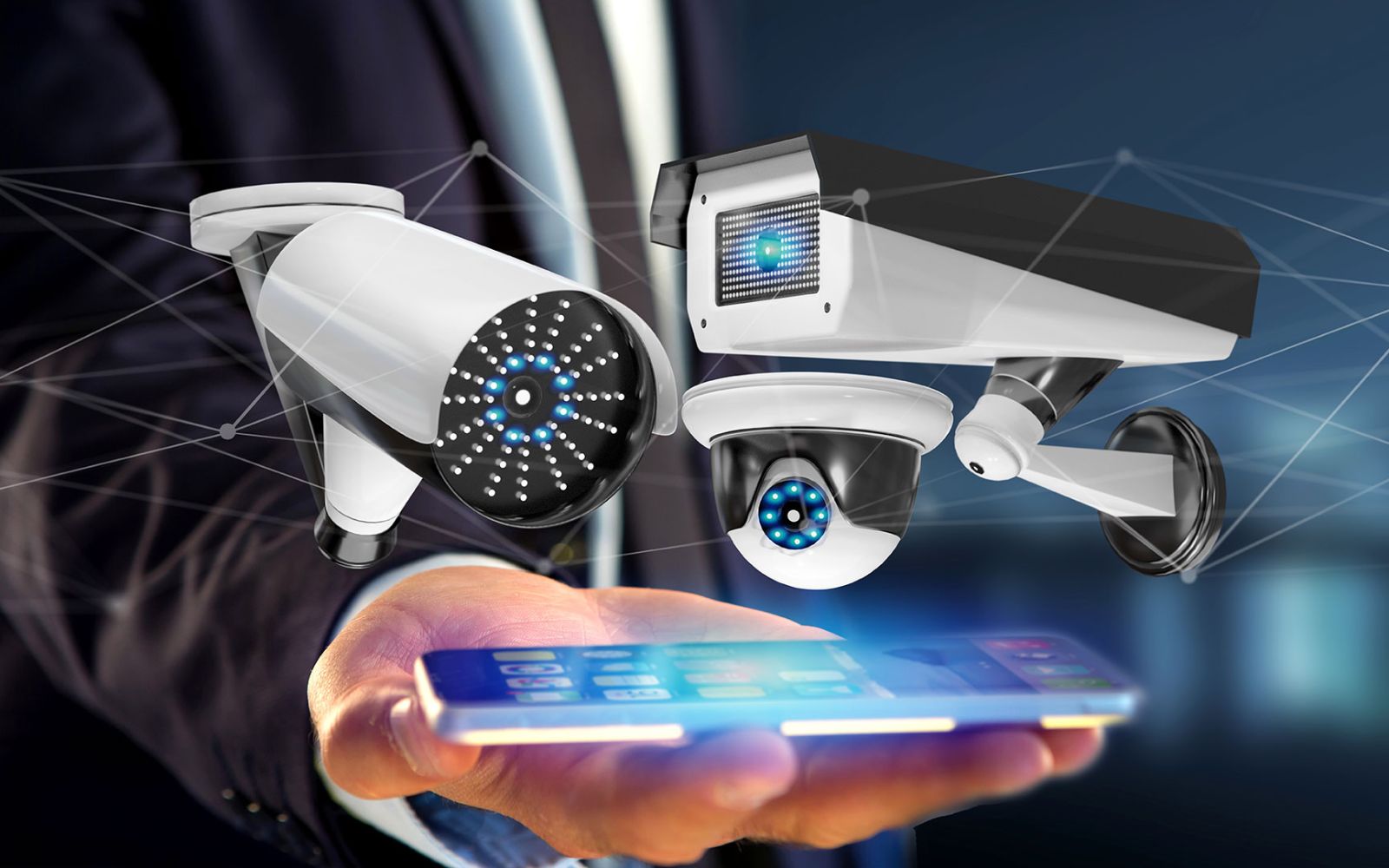
Surveillance camera systems are electronic monitoring systems designed to observe and record activities in a specific area. These cameras provide live video footage and commonly store recordings for future reference. Their primary purpose is to deter crime, identify suspicious activities and provide evidence in case an incident happens. While the role of surveillance cameras may vary slightly between homes and commercial properties, the core objective remains safety and control. Modern systems include advanced elements such as night vision, motion detection, remote viewing and cloud storage, making surveillance more useful and reliable.
The Need for Residential Surveillance Camera Installation:
In residential properties, the main purpose of surveillance camera installation is to protect family members and personal property. Outdoor cameras help stop unauthorized entry and many criminals step back simply by seeing a camera installed. Indoor cameras are commonly used to monitor children, elderly family members and pets. Nowadays, many homeowners stay away from home due to work or travel, so the ability to view live footage and receive alerts with mobile apps is very useful. Residential camera systems are commonly simple and eco-friendly so that family members can work them without technical knowledge.
Importance of Commercial Surveillance Camera Solutions:
The scope of commercial surveillance camera installation is much broader than residential setups. In offices, retail stores, warehouses, factories and shopping malls, cameras are used not only for security but also for operational monitoring. Surveillance systems help monitor employee activity, customer behavior and even movement. Commercial properties face higher risks of robbery and internal fraud, which is why advanced surveillance systems are required. These systems commonly operate 24/7 and cover many locations, requiring high-capacity storage and skilled monitoring solutions.
Differences Between Residential and Commercial Surveillance Needs:
The biggest difference between residential and commercial surveillance needs lies in scale and difficulty. Homes commonly require a limited number of cameras covering main entrances, driveways and living areas. Commercial buildings need a larger number of cameras strategically planned according to different zones. Residential users focus more on simplicity and privacy, while commercial users prioritize compliance, durability and continuous monitoring. Understanding these differences is important for selecting the right surveillance solution.
Planning Before Surveillance Camera Installation:
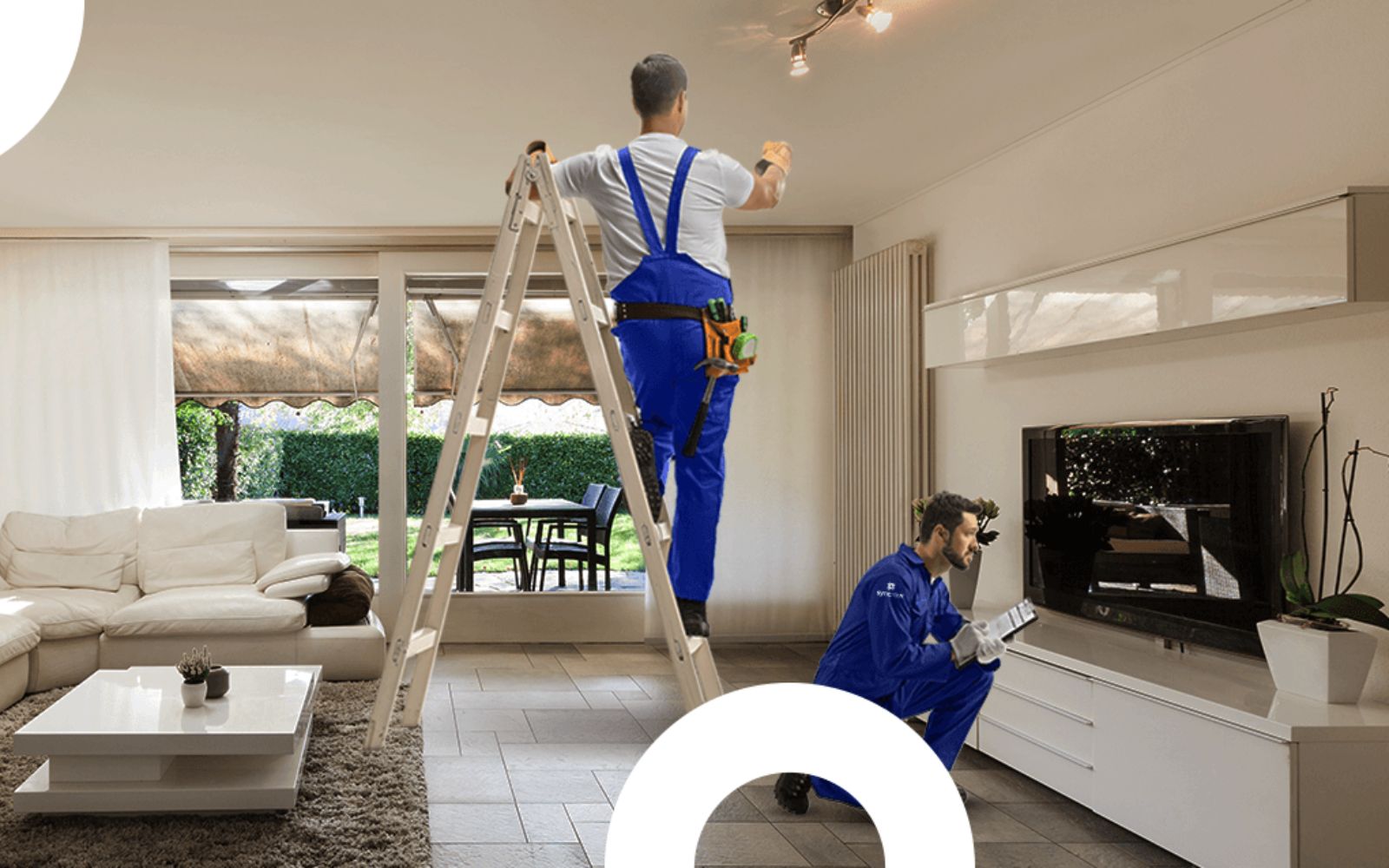
Proper planning is important before installing surveillance cameras, whether for residential or commercial use. This includes examining the property plan, entry points, blind spots and lighting conditions.In homes, the focus is mainly on doors, windows and outdoor areas, while commercial properties require coverage of entrances, exits, cash counters, storage areas and parking lots. Good planning increases camera performance perfect and prepares the system for future improvements. Skilled installers commonly suggest a final installation plan only after conducting a detailed site survey.
Use of Indoor and Outdoor Cameras
Indoor and outdoor cameras play different roles in both residential and commercial setups. Indoor cameras monitor internal activities and are commonly designed carefully to avoid disturbing privacy. Outdoor cameras are weatherproof and installed with a wide-angle view. In commercial properties, outdoor cameras cover entrances, loading docks and perimeters, while indoor cameras monitor offices and restricted areas. Installing the right type of camera in the right location is important for useful security.
Wired and Wireless Surveillance Camera Systems:
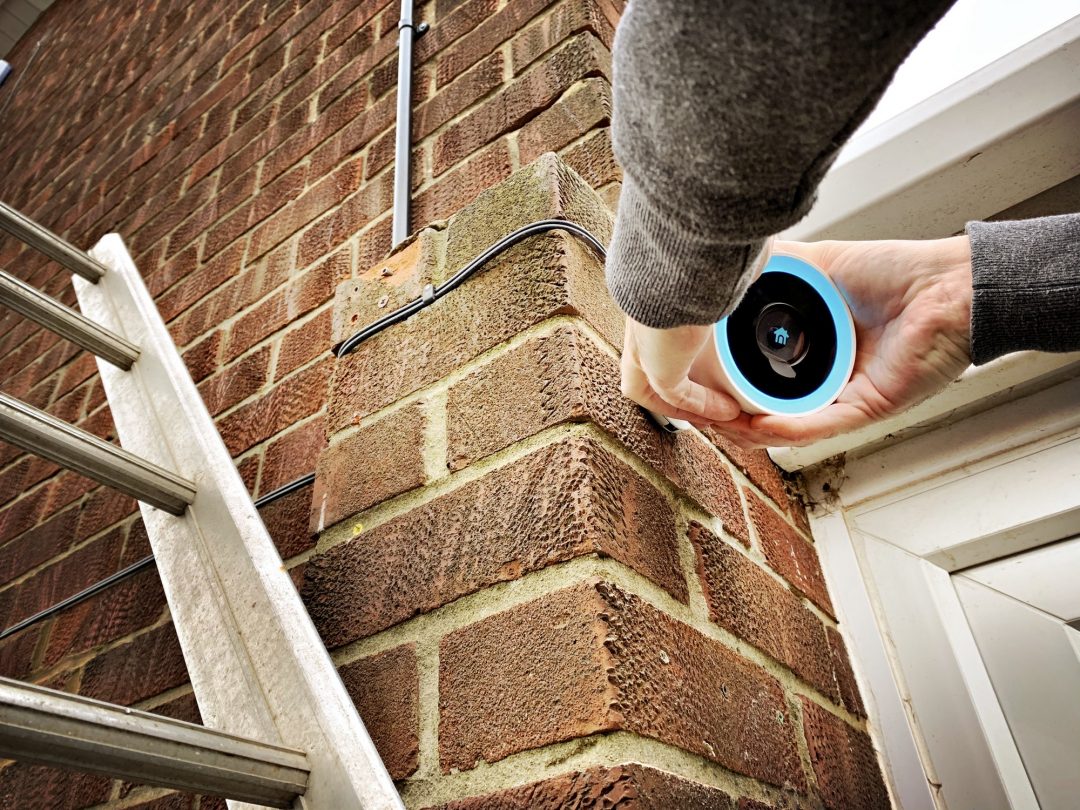
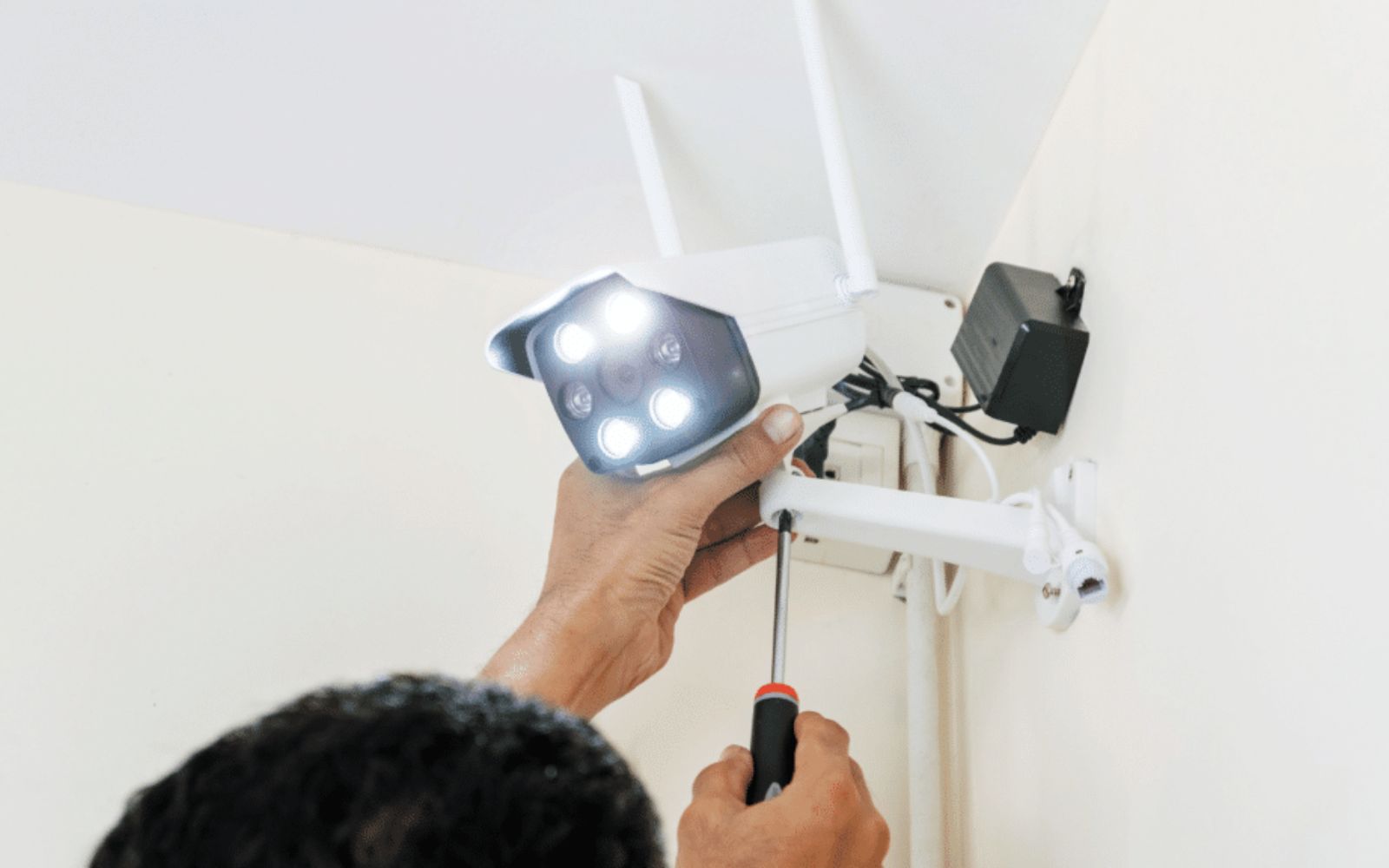
Surveillance camera systems are available in both wired and wireless options. Residential users commonly prefer wireless cameras because they are easy to install and do not require extensive wiring in existing homes. Wireless cameras connect easily to mobile apps, making remote viewing simple. Commercial properties still, commonly use wired systems because they provide stable connections and continuous recording. Wired systems are considered more reliable for large-scale installations.
Video Quality and Storage Requirements:
Residential surveillance cameras commonly provide HD or Full HD video quality, which is satisfactory for home security. Commercial properties commonly require higher-resolution cameras to clearly capture faces, license plates and fine details. Storage requirements also differ between the two. Homes commonly rely on limited storage or cloud-based solutions, while commercial setups use large-capacity NVR or DVR systems. Without proper storage planning, important footage may be lost.
Remote Monitoring and Mobile Access:
One main benefit of modern surveillance camera systems is remote monitoring. Residential users can view live footage and receive motion alerts with their smartphones. This feature is especially useful for working parents and regular travelers. Commercial surveillance systems provide remote access to managers and owners, allowing them to monitor many locations. This improves working and improves the decision-making process.
Privacy and Legal Considerations:
Understanding privacy and legal considerations is important when installing surveillance cameras. In residential areas, cameras should be positioned in a way that does not violate neighbors’ privacy. In commercial properties, informing employees and clients about surveillance cameras is commonly a legal requirement. Skilled installers design systems while following local laws and regulations to avoid potential legal issues in the future.
Maintenance and System Reliability:
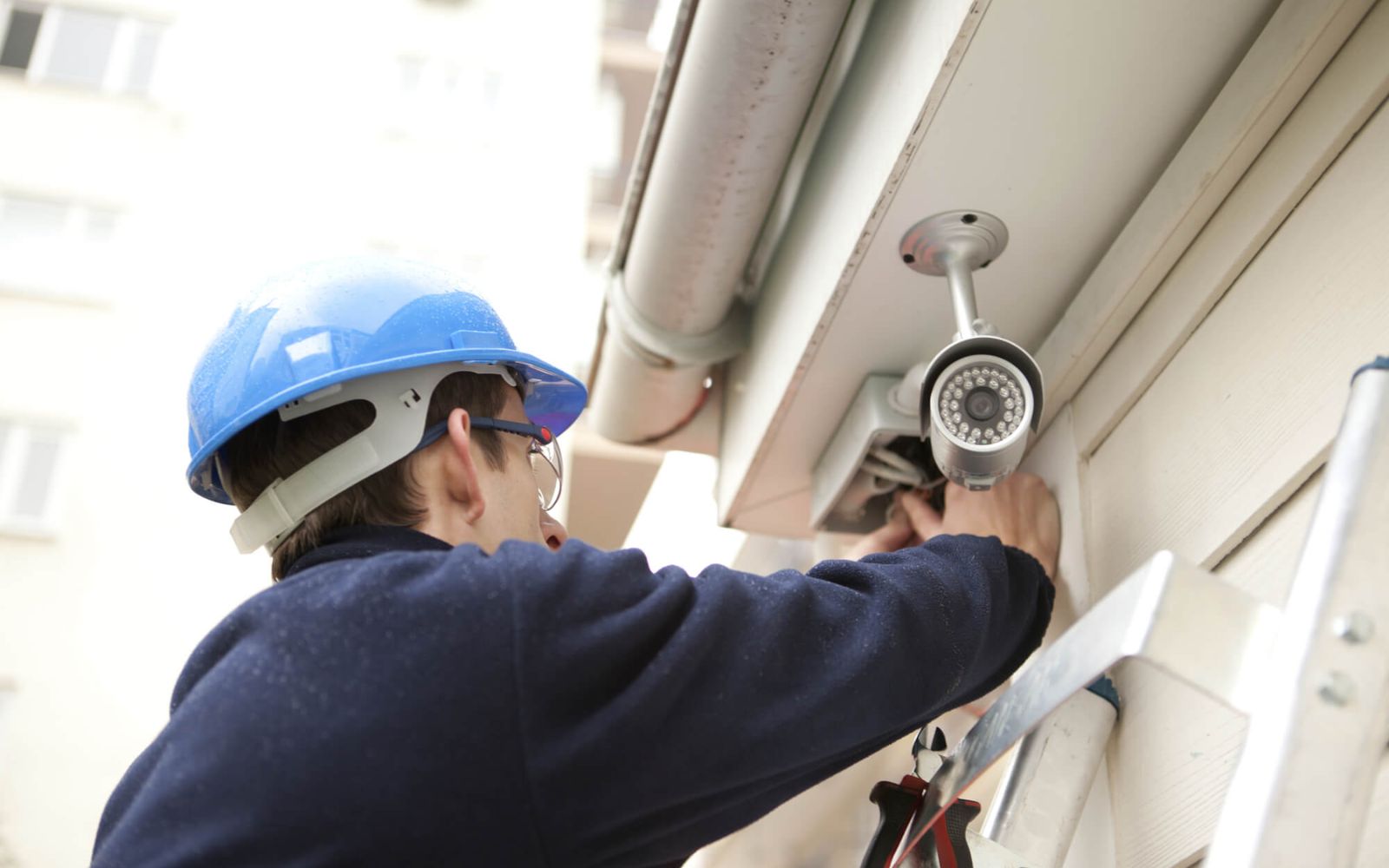
Maintenance should not be ignored after surveillance camera installation. Regular cleaning, lens adjustment and software updates help maintain system performance. Basic maintenance is commonly acceptable for residential users, while skilled maintenance services are suggested for commercial systems. Without proper maintenance, the risk of recording failure and blind spots increases.
Conclusion:
Surveillance camera installation is a useful and reliable security solution for both residential and commercial properties, but the method and requirements for each are different. In homes, cameras are installed for family safety and peace of mind, while in commercial properties, they protect assets, employees and business operations. Without proper planning, correct camera selection and skilled installation, a surveillance system cannot reach its full potential. If you take the security of your home or business seriously, understanding the differences between residential and commercial surveillance solutions and installing a personalized system can prove to be a smart and long-lasting decision.