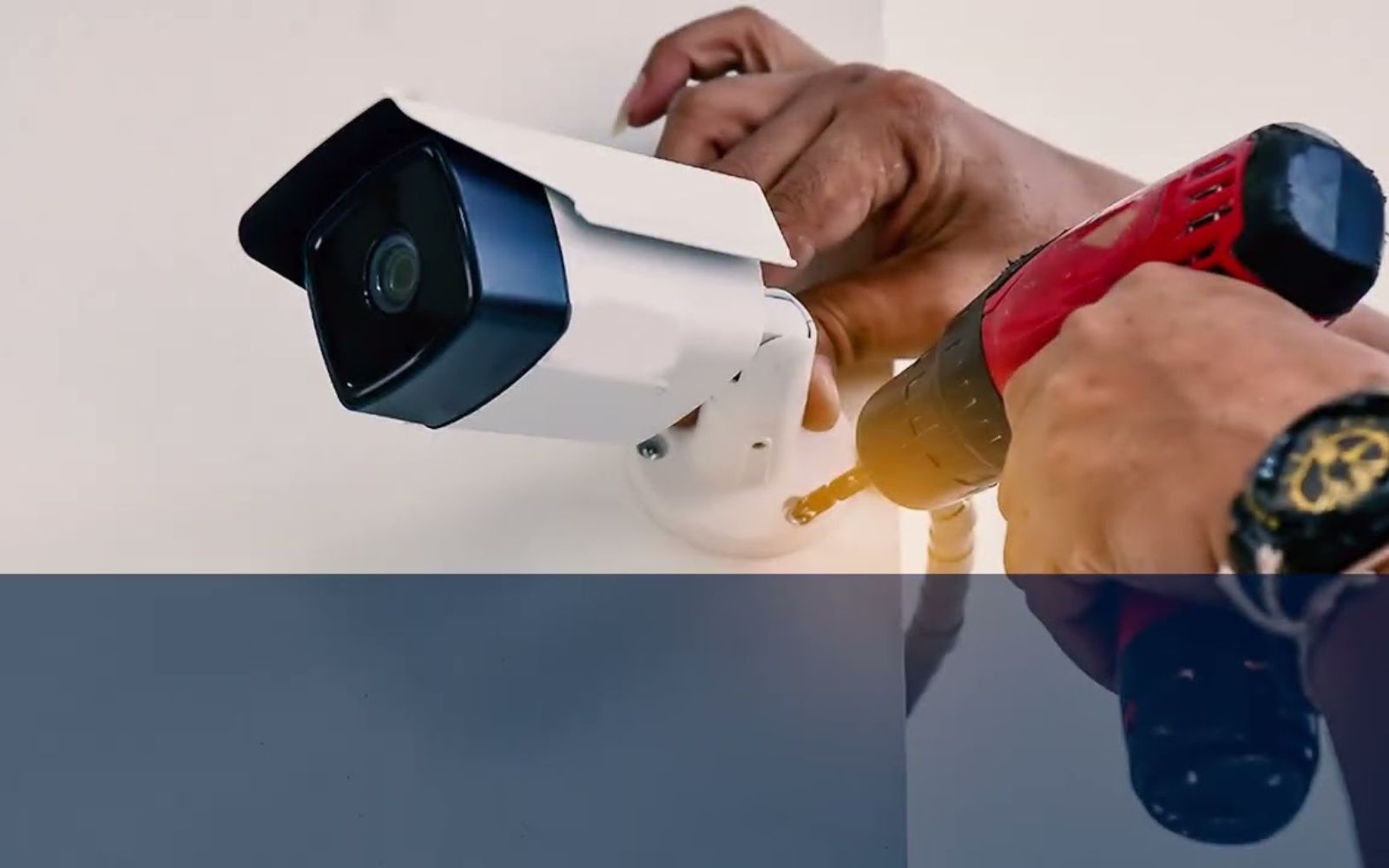
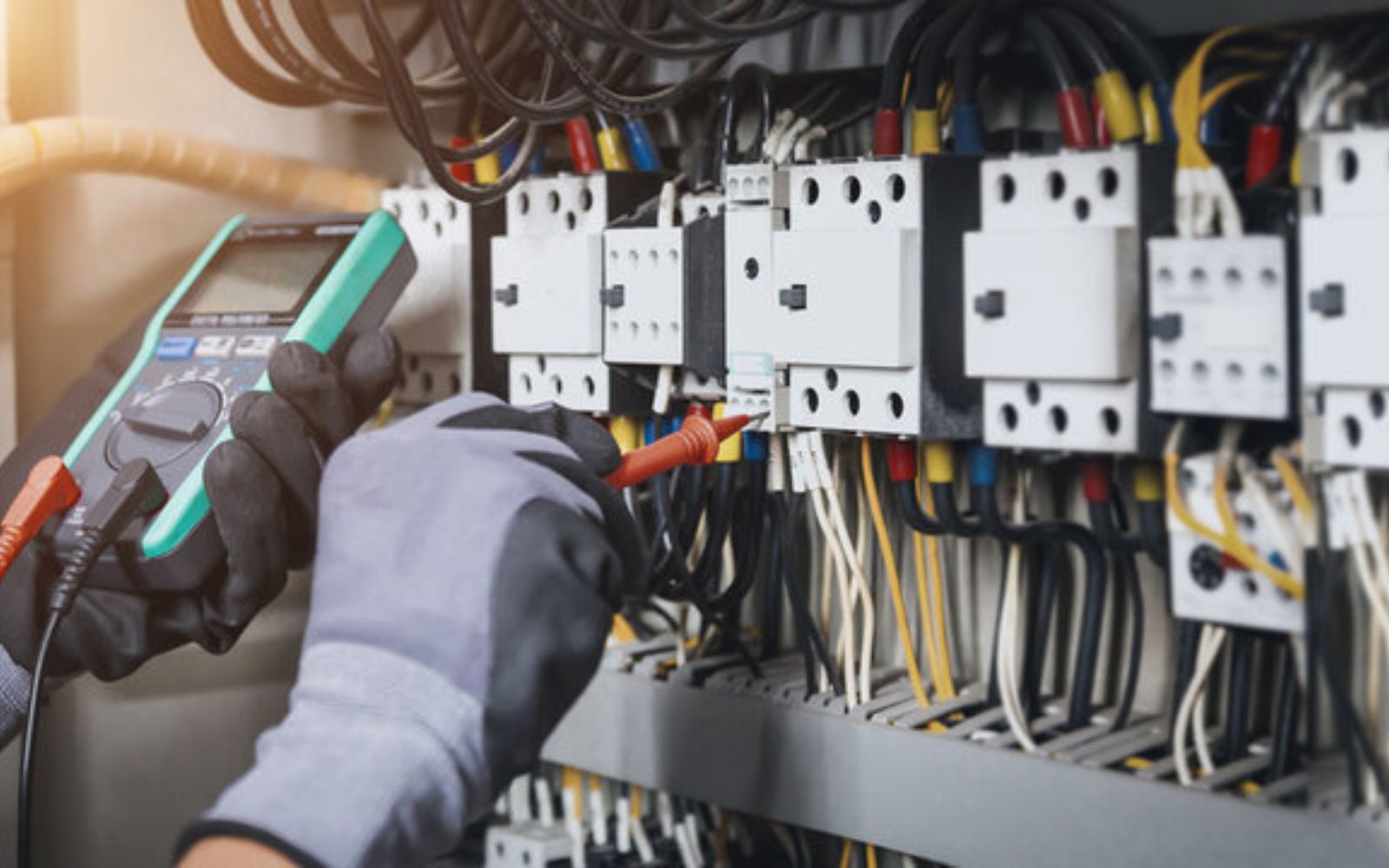
Most people think their property is safe because they have this sort of security system: a camera on the porch, a contact sensor on the front door, perhaps a loud siren. But a camera that records without triggering a response, and a sensor that trips without reaching a monitoring center, are not a security system. They are evidence collectors useful after the fact, nearly useless in the moment.
Smart home security systems function otherwise. They detect, communicate, respond, and coordinate automatically without waiting for you to check your phone. Let’s take a closer look at how it works, and why it can make a difference to both residential and commercial properties.
How Smart Systems Detect Threats Before You Even Notice Them
AI-Powered Motion Detection Replaces Guesswork
Traditional motion detectors are unable to distinguish between your dog moving around in the living room and a stranger moving by your house at midnight. That’s why most people turn off or just ignore the alerts altogether.
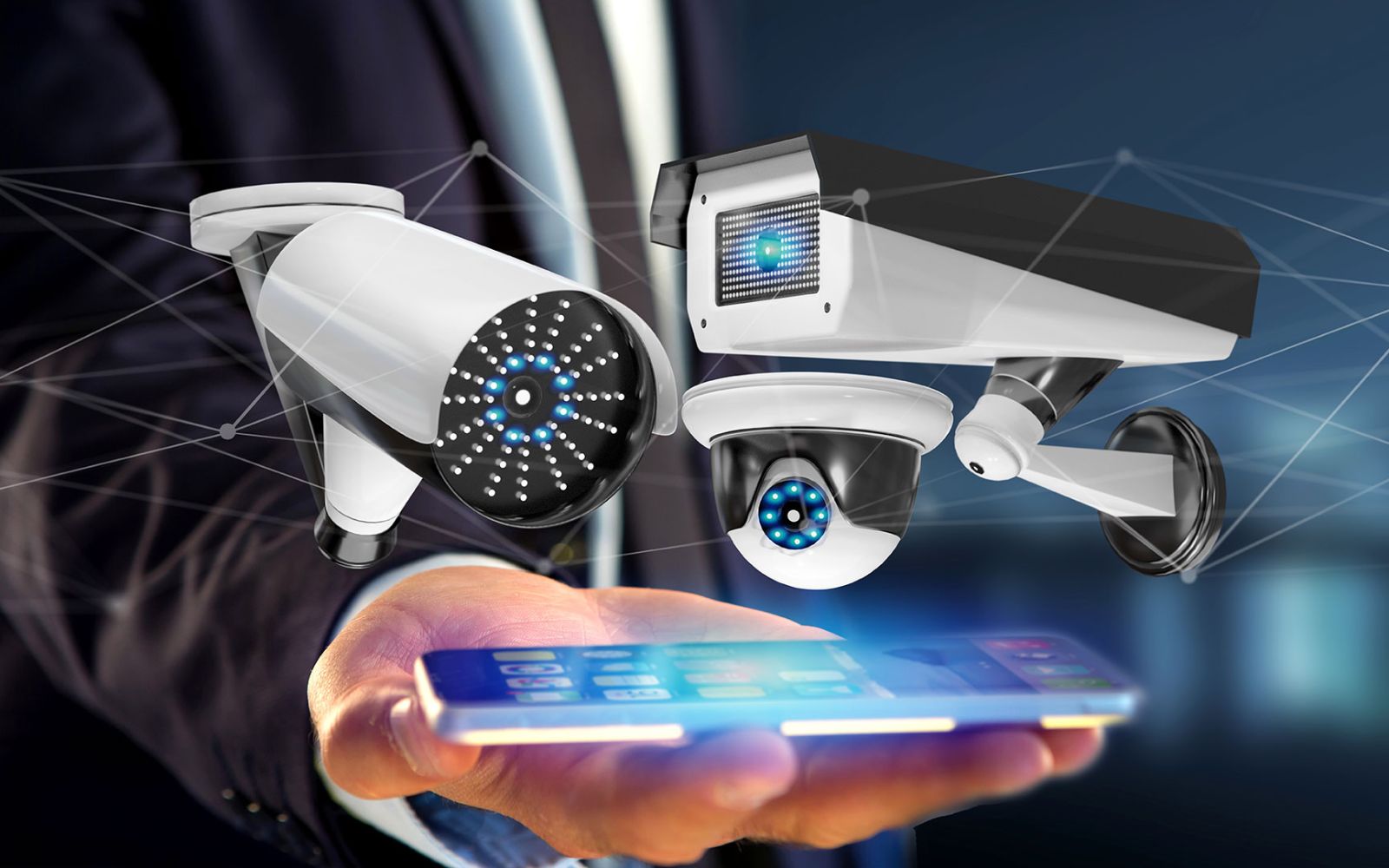
Modern smart security systems use AI-powered cameras that analyze video in real time to detect threats and if danger is detected, the system sends alerts to registered contacts immediately. The camera is not only detecting motion, it’s categorizing the image. It is able to differentiate between a person, a vehicle, a pet, and a tree branch and only escalates the one which is appropriate to respond.
What That Looks Like in Practice
- If a stranger is seen outside your side gate for over 30 seconds, an alarm will sound. Your dog crossing the same zone does not.
- If you have a car in front of your business at 2am and the engine is on a ticket is issued. A delivery truck making a scheduled stop does not.
- You have a camera clip and motion activated floodlight that both activate when someone walks on your perimeter fence.
This capability can help systems to identify suspicious behavior before a threat has a chance to form, such as a person standing around an entry, giving homeowners and business owners a chance to act before a problem arises.
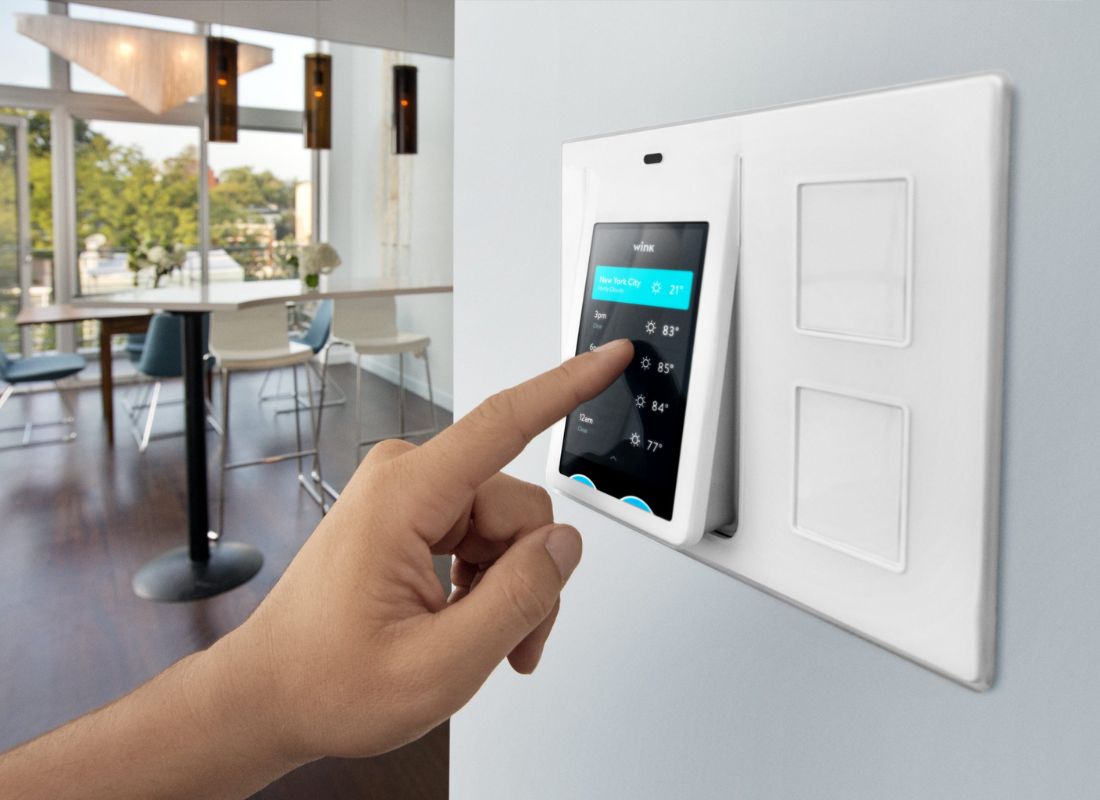
How Automated Responses Eliminate the Gap Between Detection and Action
The Problem With Manual Response
So if your security system does notice something and alerts you, the entire response is contingent upon your ability to see the alert, comprehend it and respond rapidly. That chain breaks constantly, phones are on silent, people are asleep, notifications pile up and get ignored.
Smart systems eliminate this dependency altogether by responding automatically to the devices.
What Automation Actually Does
Combined, motion detectors can activate cameras to begin recording, smart locks can automatically lock all points of entry, and the entire system operates as one unit instead of individual devices.
Real examples of automation working in sequence:
- Motion sensor detects a person at the rear entrance at night: floodlight activates, camera begins recording, alert pushed to phone and monitoring center
- Front door smart lock is forced open: alarm panel triggers, indoor siren activates, cellular signal sent to monitoring station regardless of internet status
- Smoke detector triggers: HVAC system shuts down automatically to stop smoke circulation, monitoring center dispatched, all doors unlocked for evacuation
A smart security system can alert homeowners as soon as smoke or CO detectors are triggered and automatically take steps to minimize the spread of smoke, such as shutting off HVAC systems—steps that will take a person minutes to process and act.
How Smart Systems Protect Residential Properties Specifically
Simulated Occupancy Stops Opportunistic Break-Ins
An 83% of convicted burglars actively searched for a security system before attempting a break-in, while 60% would leave the target if they had a security system, according to a study by the University of North Carolina. Smart systems make properties look and feel occupied even when they are empty.
Smart lighting schedules set particular areas to turn on and off at random times while you’re not at home. Add in a video doorbell that allows you to answer on site despite the code, and the property actively jams the code that would indicate it was empty.
Remote Access Means You Are Never Completely Off-Site
Locking and unlocking doors, arming and disarming alarm systems, and real-time lighting control help prevent break-ins for homeowners, and provide a sense of control for their security environment from afar.
This matters practically in situations like:
- You left for work and cannot remember if you locked the back door check and lock it from your phone
- A family member arrives home early unlock the door remotely without sharing a key
- Your alarm triggers while you are traveling view the live camera feed and instruct the monitoring center whether to dispatch
Life-Safety Integration Protects Against Threats Beyond Burglary
A ‘smart’ security panel that deals with intrusion only is an incomplete system. Hard wired smoke alarms with battery backup reduce the number of fire deaths by 71% and smoke, CO and flood sensor all alert the monitoring center simultaneously, if they are all monitored on the same monitored panel as your alarm system.
How Smart Systems Protect Commercial Properties Specifically
Access Control Replaces the Weakest Link in Any Business
Physical keys get copied, lost, lent out, and never returned. Former employee with a copy of the key becomes an unlimited liability. Electronic access control system, coupled with a smart security panel, takes this out of the equation.
In a modern commercial security system, users can have role-based permissions a floor manager may have the ability to arm or disarm the system, but not view footage archives while a part-time worker can enter through a specific door, without being given system-wide access.
Access can be granted and revoked instantly from a web dashboard the same day an employee resigns, not weeks later when someone finally collects the key.
Audit Trails Turn Invisible Events Into Documented Evidence
Commercial access control systems generate audit trails that make tracking movements and detecting unauthorized access straightforward giving businesses real-time visibility into who is accessing which areas of the premises and when.
This resolves situations that physical security cannot:
- A cash discrepancy at the end of a shift the audit trail shows exactly who accessed the cash office and at what time
- A data breach in a server room access logs show which credential was used, matched with camera footage from the same timestamp
- A false slip-and-fall claim footage from the relevant zone, timestamped and stored, provides objective documentation
For regulated industries, this is not optional healthcare environments require access control and activity logging for areas with protected health information under HIPAA, and financial businesses require full audit trails under the Sarbanes-Oxley Act.
Video Verification Protects Against Internal Theft
Retail businesses lose billions annually with 29% attributable to employee theft and a properly installed security system that combines CCTV surveillance with access control creates the visibility and accountability needed to prevent it, not just document it after the fact.
Cameras positioned at POS terminals, stockroom entries, and loading docks configured by a professional who understands coverage zones create an environment where internal theft becomes both detectable and provable.

How the Monitoring Center Turns Detection Into Response
Self-Monitoring Is Not Monitoring
App Notification is NOT a monitored system. When the phone is off, the battery is drained or you simply miss the alert, nothing happens. A UL-listed central monitoring station is in place and is operating regardless of whether or not you are cognizant of what’s going on.
How Video-Verified Dispatch Works
The alarm automatically sends live or recorded video to the monitoring centre once a sensor is tripped. Operators are checking to see if a real crime is occurring before dispatching police – confirmed intrusions are sent to the police and not queued with unverified alarm calls.
In Delaware, this is significant because Wilmington PD and Delaware State Police down-prioritize unverified alarm calls. A different queue is reached if the alarm call is video-verified.
Dual-Path Communication Is Non-Negotiable
If the internet is down or communication lines are cut by an intruder the system sends alerts via a secondary cellular backup channel, meaning the one scenario where you need the system to work, is exactly when they won’t work properly.
Conclusion
The difference between a property that gets targeted and one that does not often comes down to one question: does the security system actively work, or does it passively record? The former is done by smart systems properly installed, professionally monitored, and correctly integrated. All the components are programmed to signal and react at the least propitious moments without any human intervention.
CTD Security designs and installs smart security solutions that meet the protection needs of Delaware homeowners and business owners—not what fits in a box.