With a crime rate of 46 per 1,000 residents, New Castle has one of the highest crime rates in America compared to all communities of all sizes, and more than 82% of communities in Delaware have a lower crime rate. However, most homeowners here make their camera purchasing decision by instinct, purchasing one or two units, pointing them at the front door, and then that’s the end of the story. The end result is an illusion of security that relies on a system that contains many blind spots.
The actual question isn’t whether or not you require security cameras in New Castle. The data has already got the answer to that. The inquiry is how many you really require, where you put them, and also why it’s almost as expensive not to have any at all.
The Property-by-Property Breakdown: What Actually Drives the Number
Single-Story Ranch or Smaller Home (Under 1,500 sq ft)
The minimum effective configuration for these areas is 3-4 cameras for a compact single-story house in neighborhoods such as Old New Castle or parts of the Route 9 corridor. This includes the front door and porch, the driveway approach, the back door/sliding glass door, and one wide-angle unit for the rear yard. For most, the number of cameras needed on the outside and at least one inside is 2 to 4; for a property in a higher crime zip code, such as 19720, it’s better to “oversize” the outdoor cameras and get 4 out there instead of 2.
Two-Story Colonial or Traditional Delaware Home (1,500–2,500 sq ft)
It is the most prevalent house style in New Castle, and it is always undercounted in camera counts. This size home needs 4-6 cameras for a proper setup. The side yard, where burglars can access behind windows and doors without being noticed from the street, and the garage, where in most two-story colonial homes, the garage is directly connected to the interior of the home, and is one of the highest value access points on the property, are additions beyond the basics.
Larger Homes, Corner Lots, or Properties with Detached Structures (2,500+ sq ft)
For larger properties, 7-10 cameras are typically the number needed to cover the exterior. In New Castle County, a corner lot has two exposures on the street, rather than one, and automatically doubles the number of approach angles that must be monitored. Detached garages, pool houses, sheds, and external storage buildings each require their own coverage. These structures are routinely targeted precisely because they sit outside the footprint of a standard camera layout.
Where Each Camera Actually Goes and Why the Angle Matters
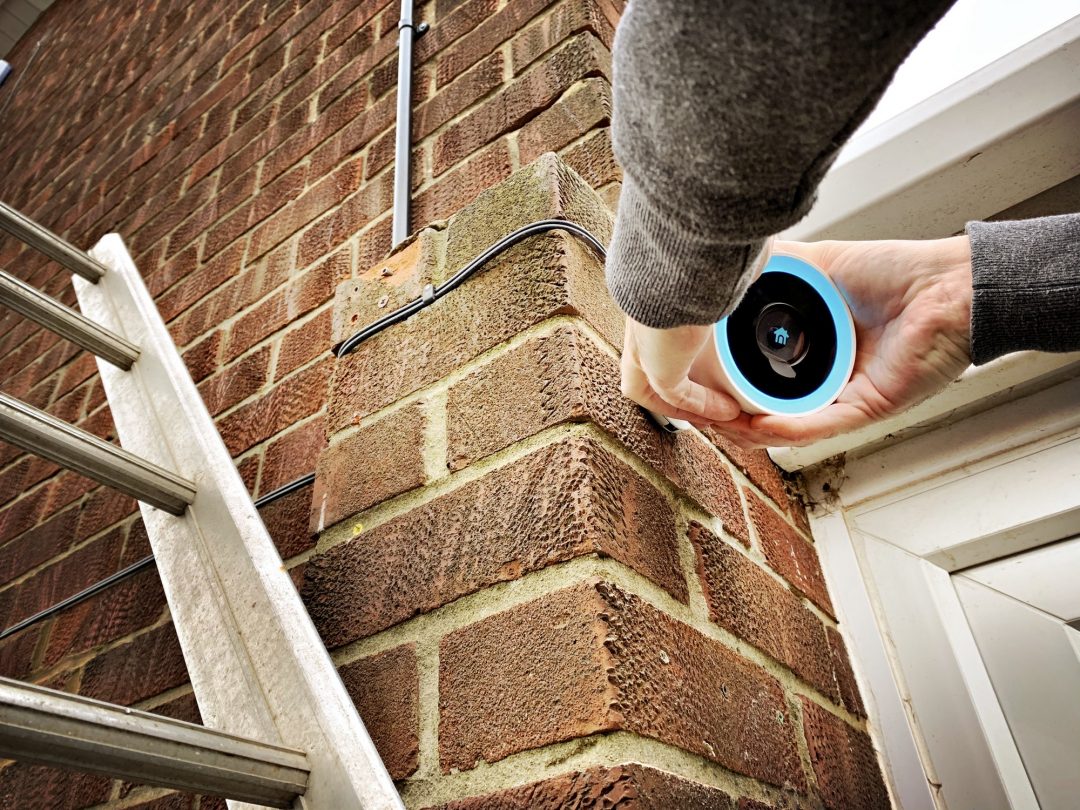
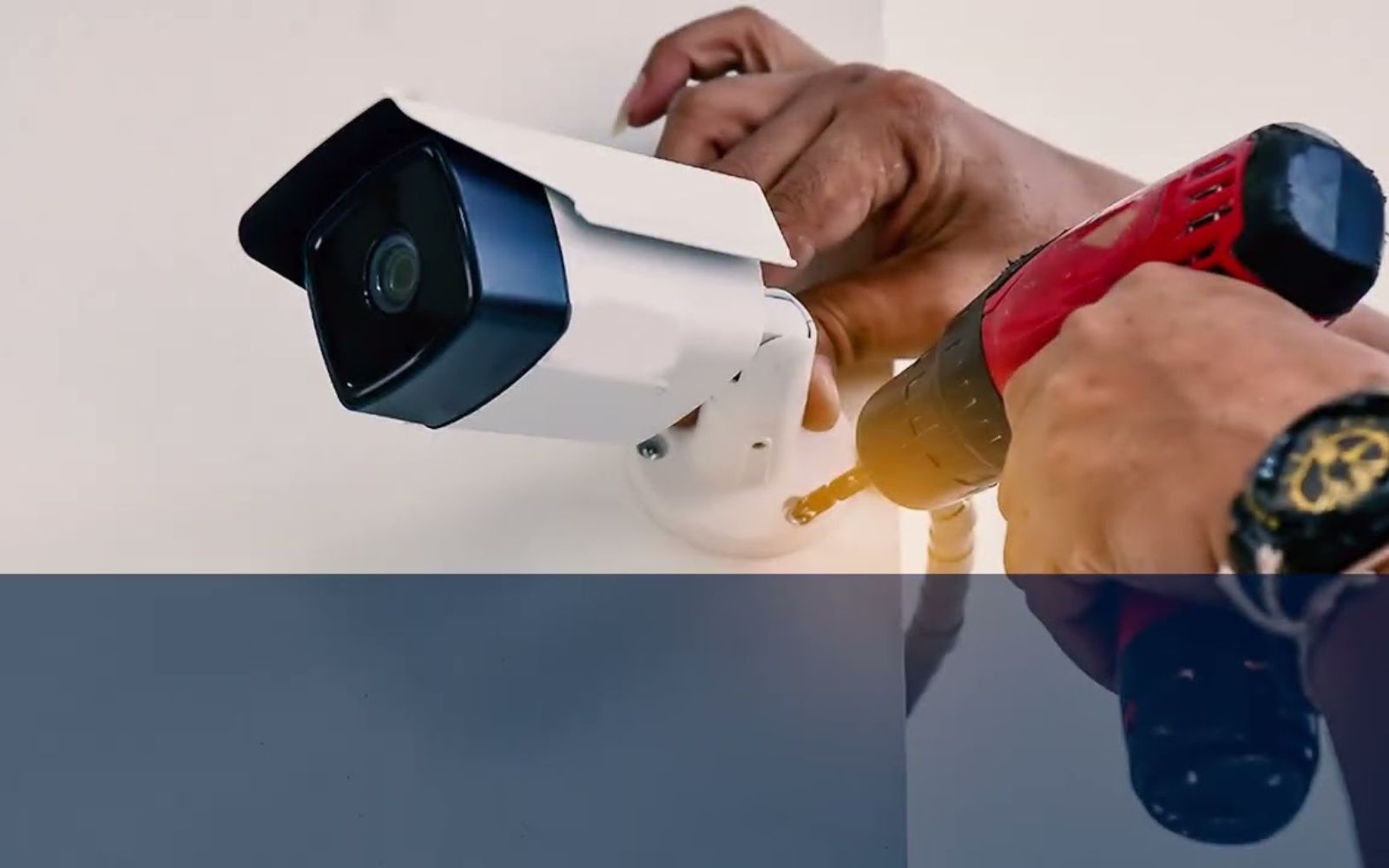
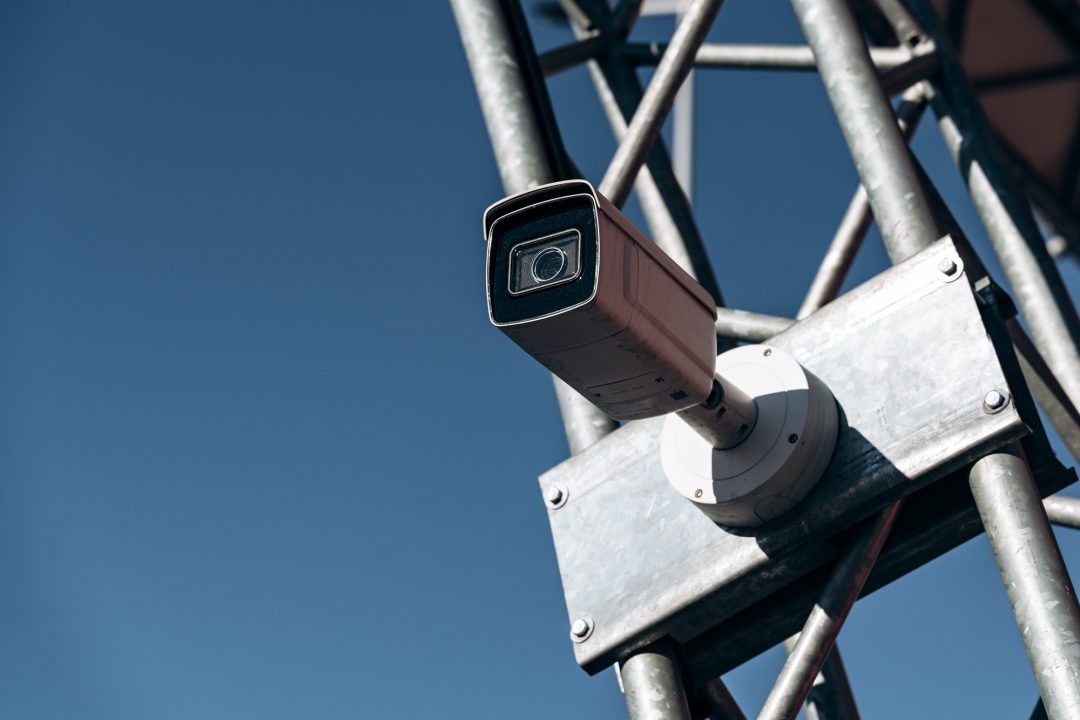
Correct camera count is only half the job. If the camera is set at the wrong height or angle, it is of no use for the identification of evidence quality. Faces are not identifiable when these cameras are positioned at 15 feet, angled down at a high angle. The optimal mounting height for outdoor cameras is 8 to 10 feet. Here is where a lens can provide a clear image of facial features, car registration plates, clothing, and body identifiers, and allow footage to be handed off to law enforcement and really matter.
Cameras located on the front door or porch should capture the person’s face as they approach the front door, as well as the space where parcels are usually dropped. Consider a wide-angle lens, as one camera can take the whole picture of the porch, rather than two cameras taking it separately.
Not only must driveway cameras be able to capture the surface of the garage door, but they also have to capture vehicles entering and leaving, and anybody approaching the house. A focus lens (e.g., 4mm) with a balanced viewing angle is suitable for driveway monitoring, and the field of view should be long enough down the driveway to read a licence plate before a car reaches the garage.
Most homeowners have no coverage, and the greatest risk is on the back and side entrances to the home. Back doors often have little visibility from the street, so they are an ideal choice for a discreet entry point for a burglar. Here, the camera is not an option; it’s the coverage that a standard single-camera setup overlooks.
Side yards and gate access should be towards the side of the fence, not towards the gate face. The objective is to detect movement as early as possible, not to trap someone who’s on your property. Side gates tend to be less conspicuous from the inside, and a camera that is angled towards the side walkway might see people approach the backyard or side gate.
A camera for garage coverage would be a good idea, even if you have a driveway unit already. Having a camera above the garage door or inside, which watches the outside and inside, gives a two-way system for total security, particularly in most homes in New Castle, where the garage houses not only vehicles but tools, bikes, and a direct access door into the house, which is often left unlocked.
The Blind Spots That Bite New Castle Homeowners Hardest
A common installation scenario error is to install two cameras at the front porch, but with no camera coverage in the side yard. It’s a completely logical mistake – the front of the home is on view to the street and seems like the obvious first step. However, from a perimeter security perspective, the cameras that are protecting the way of least resistance are the ones that matter most, and that way of least resistance rarely heads towards the front door of a planned break-in.
Another area that is always forgotten is the windows on the second floor. A flat garage roof, surrounding trees, or balcony railings can be used to get to second-floor windows – these should be equipped with a camera or sensor, if there is a climbable surface to the window. In older New Castle homes with large shade trees close to the structure, this isn’t a theoretical risk.
Another issue that most homeowners are unaware of is the Wi-Fi dead zone, which can render coverage ineffective. Signal strength should be checked at a distance from the router, in a Wi-Fi dead zone, since these cameras may drop frames or go offline. This is one of the biggest reasons wireless camera systems are not as effective as hardwired camera systems, especially for cameras on the back of the property or for those that are separated from the building.
Indoor Cameras: How Many, and Where
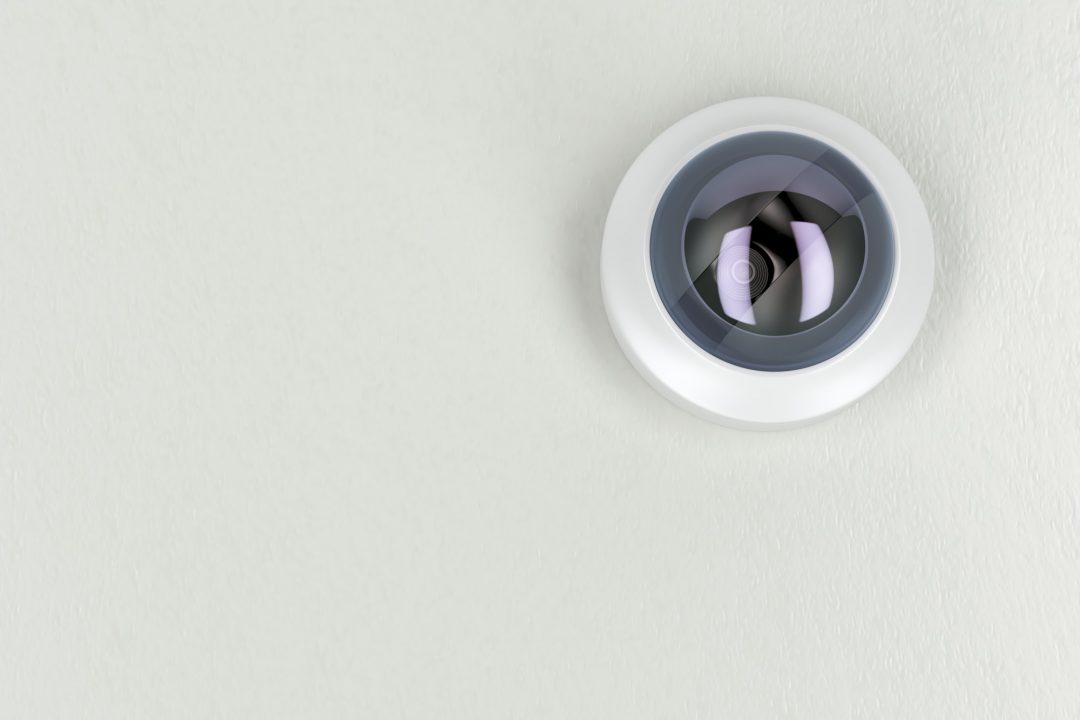
The indoor camera question is where opinions vary most, but the practical answer for most New Castle homeowners is simpler than it sounds. You don’t need cameras in every room; you need cameras covering transition zones: the points inside your home that an intruder would pass through when moving from one area to another.
The core indoor placements that actually add security value are:
- The main hallway or foyer captures movement from the front entry into the living areas, giving you footage of anyone who makes it past an exterior entry point
- The living room or ground floor common area covers the space where high-value electronics and items are typically kept, and serves as a secondary catch if a perimeter camera misses an entry
- The garage interior door, the door connecting the garage to the house interior, is one of the most frequently bypassed locks in residential burglaries; an indoor camera here documents entry that an exterior garage camera may not fully capture
The Real Number: What a Complete New Castle Home Setup Looks Like
When you account for the actual layout of a typical residential property here, the property crime exposure, the common architectural features of Delaware homes, the access patterns that matter, the camera count for genuine coverage lands in a consistent range:
Smaller homes and townhouses: 3 to 4 exterior cameras, 1 interior unit total: 4 to 5
Mid-size single-family homes: 4 to 6 exterior cameras, 1 to 2 interior units total: 5 to 8
Larger properties, corner lots, detached structures: 6 to 9 exterior cameras, 2 to 3 interior units total: 8 to 12
Conclusion
The homeowners who get this right aren’t the ones who purchased the most cameras; they’re the ones who had a professional inspect their property prior to mounting any cameras. A site survey is the process of determining whether a system is theoretically covered, which areas are dead zones, lighting conditions, structural features, and camera heights that make a system a real protection system. A crime happens on average once every 18 minutes in New Castle County, and the missing door in the system is the opportunity for opportunistic burglars to get in.
If you don’t want to use a generic floor plan to design your camera layout, CTD Security can perform a professional site assessment for your home and/or build a layout that fits your specific property and covers all angles, not just the obvious ones.