The crime rate in Delaware is 4,097 per 100,000 people, 49% higher than the national average and places the state at 45th position for safety out of 50 states. That number isn’t just a statistic if you own a home or business in Wilmington, Newark, Dover or Middletown. It is the environment your property exists in every single day.
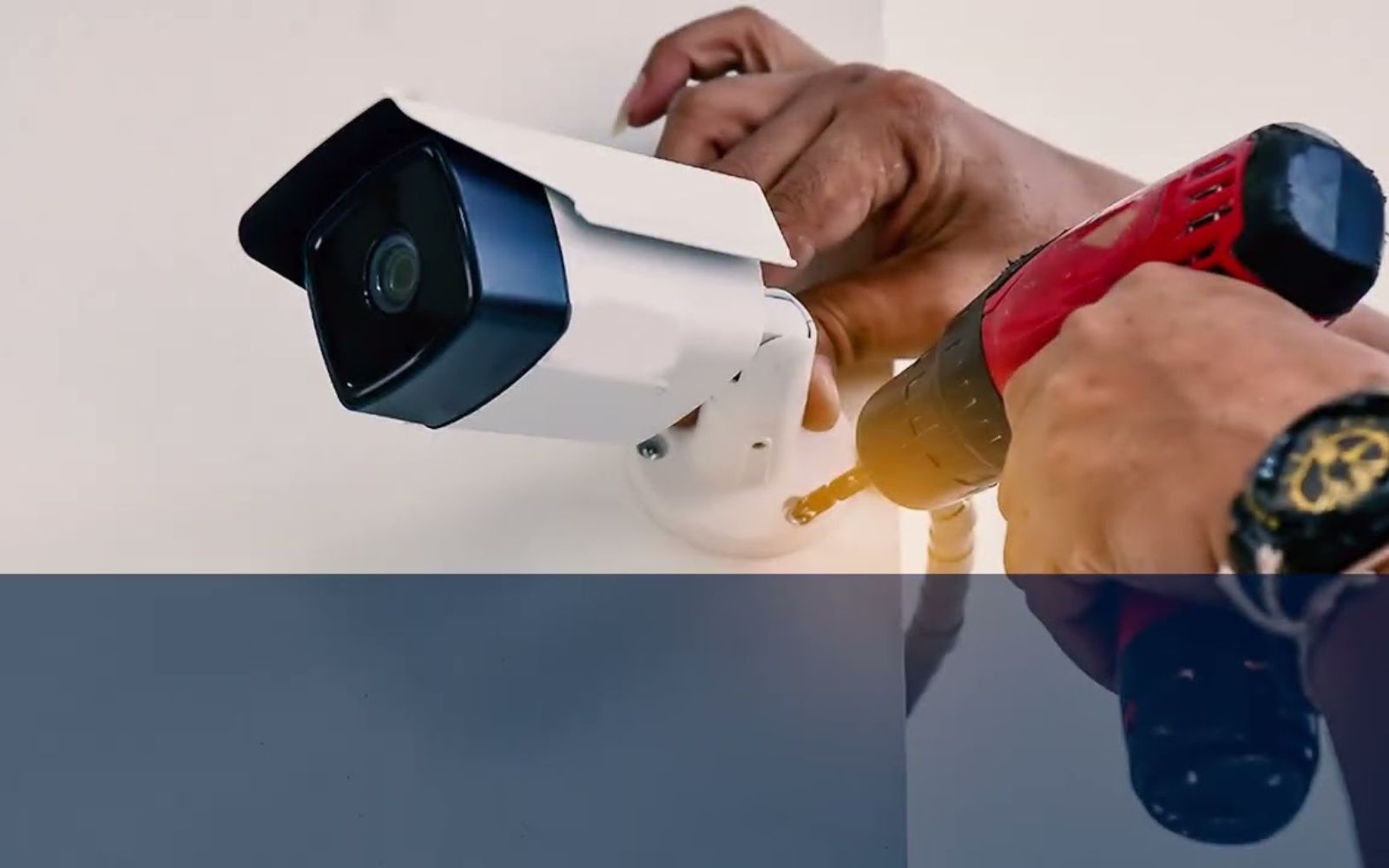
The typical answer is to purchase a wireless camera setup at Amazon and label it as security. It is not. Professional Security Camera and alarm system installation in Delaware means engineered coverage, legal compliance, and systems that actually work when a real threat occurs.
Delaware’s Crime Landscape Makes Professional Security Non-Negotiable
Wilmington Is One of Delaware’s Highest-Risk Areas
In Wilmington, 1 in 32 people are at risk of being a victim of property crime. That includes burglary, theft, and motor vehicle theft, which all a good surveillance system can prevent or record.
The Threat Is Not Just Urban
Although the overall trend of other crime types is down in 2025, the burden of burglary and everyday property crimes remains statewide, and progress is not equal by type of crime. The perimeter blind spots are in suburban communities, including Bear, Pike Creek and Middletown. Towns along the shore such as Lewes and Rehoboth Beach, are vulnerable during the busy summer and fall periods when homes are empty.
What the Data Tells Installers
- New Castle County dense urban risk, alley access, shared walls
- Kent County longer police response times, isolated rural properties
- Sussex County seasonal vacancy, coastal corrosion affecting outdoor hardware
No single camera kit addresses all three. That is why site-specific system design is the foundation of every professional installation.
The Professional Installation Process: Step by Step
It Starts With a Security Site Assessment
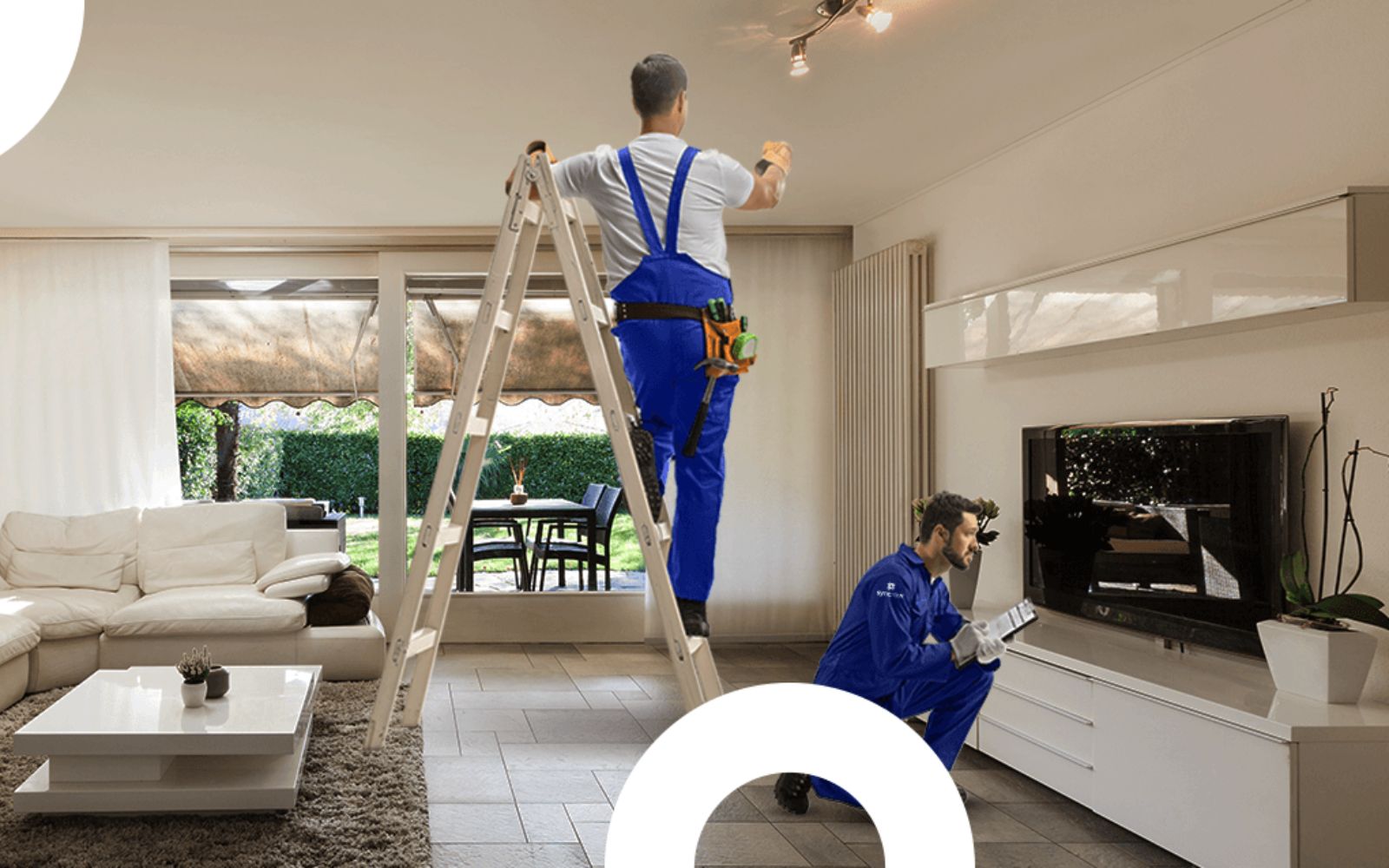
Before a single cable is run, a certified technician walks your entire property. They identify entry points, lighting gaps, sight-line dead zones, and structural features that affect camera placement and sensor coverage. This step is one that DIY systems don’t even take into account.
Camera Selection Is Application-Driven
The wrong camera in the wrong location is just expensive decoration. Professionals match hardware to environment:
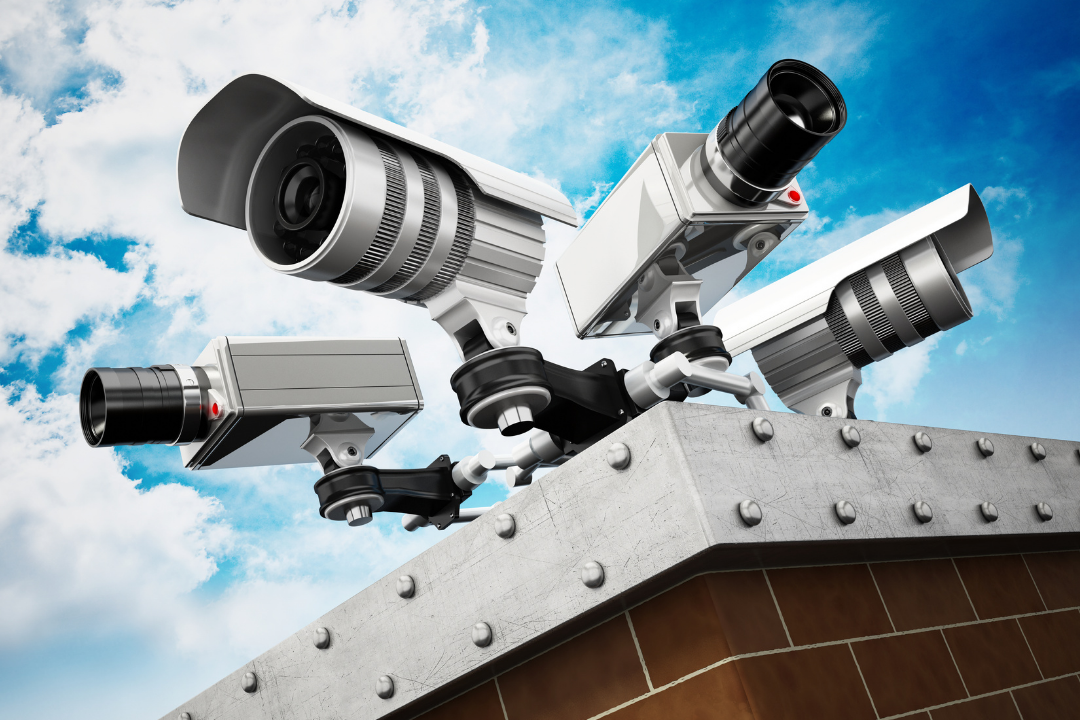
- PTZ cameras commercial lots, Route 1 and Route 13 corridors, Port of Wilmington facilities
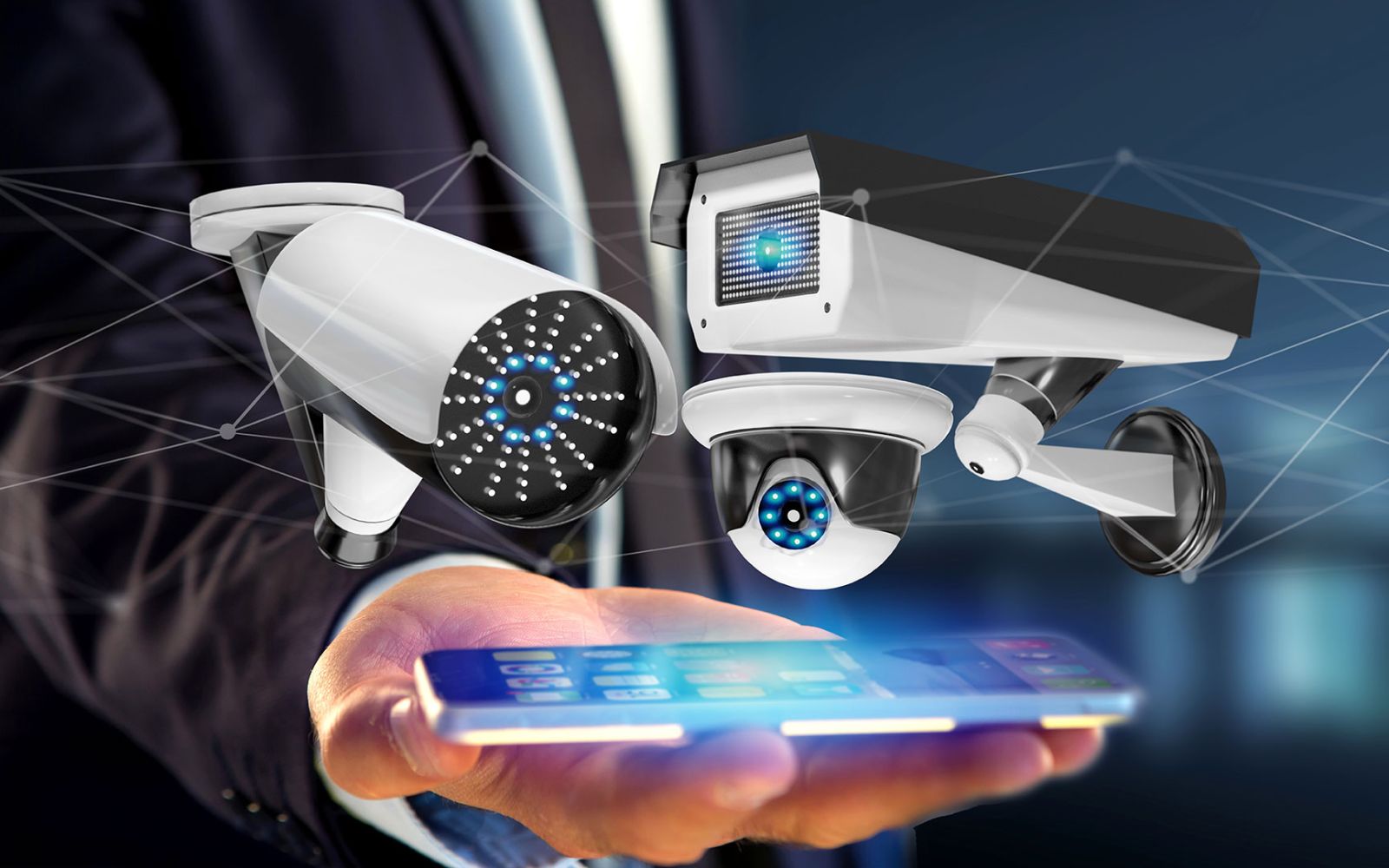
- Varifocal dome cameras retail interiors, office lobbies, adjustable focal length post-mount
- Long-range IR bullet cameras driveways, perimeter fencing, warehouse loading docks
- Doorbell and covert cameras residential entry points, narrow urban row home facades
Cabling and Infrastructure Done Right
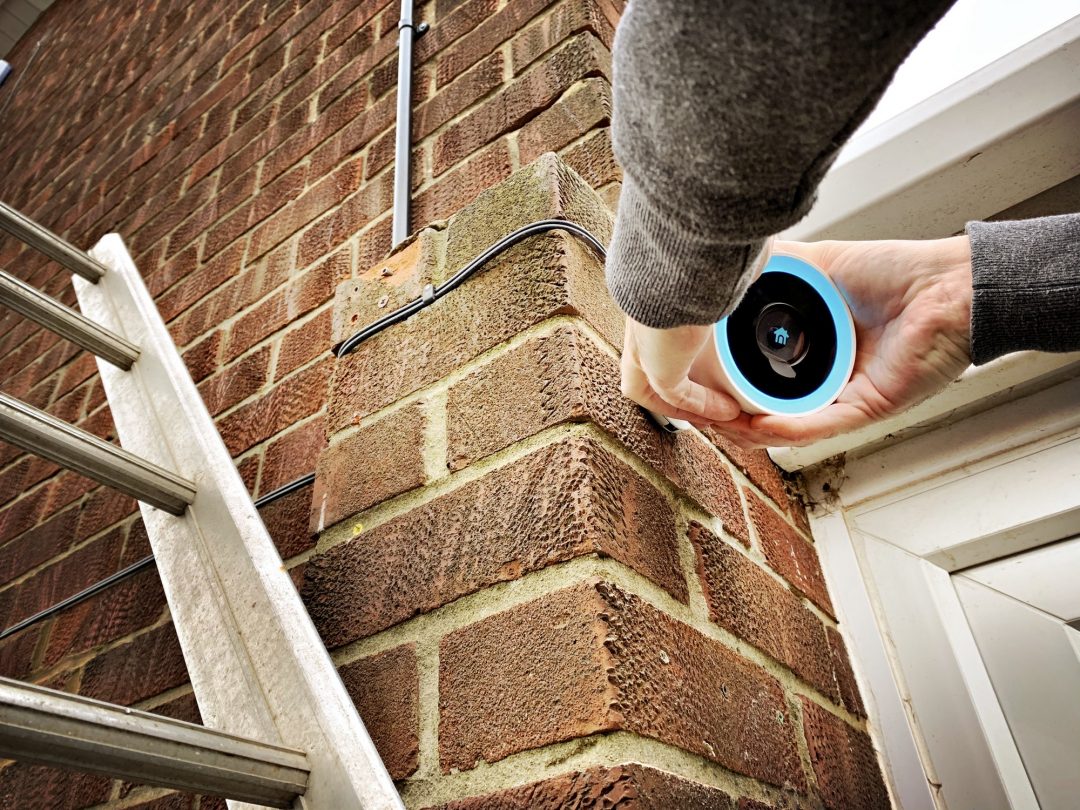
Professional installers use Cat6 for IP camera systems, and RG59 coaxial for analog HD systems; not across baseboards, but rather, through walls, attic and conduit. Cable wires that are exposed can be cut. When the system is intruded, it continues to function because of proper infrastructure.
Alarm System Installation: Layers That Actually Protect
Why One Sensor Is Never Enough
A professional Burglar Alarm System is designed in layers, rather than a single contact sensor on the front door. Every layer filters/filters out what the other layer does not filter/does not catch.
The Core Detection Stack
- Door and window contact sensors all accessible ground-floor openings, not just primary entries
- Passive infrared (PIR) motion detectors interior hallways and common areas as a secondary layer
- Glass break detectors calibrated to shattering frequency, critical for homes with bay windows or sliding patio doors
- Smoke, CO, and flood sensors integrated into the same panel for full life-safety monitoring
The Control Panel Is Everything
Consumer wireless kits use single-path communication internet only. Dual-path communication (both broadband and cellular at the same time) is provided to professional panels such as the Honeywell Vista, DSC PowerSeries, and Qolsys IQ. Intruder cuts your Internet line, no problem the system continues to report to the central monitoring station.
Video-Verified Alarms: Why Delaware Homeowners Need Them
The False Alarm Problem Is Real
This is because of the costs false alarms impose on law enforcement and installers are legally obligated to educate homeowners about how to prevent false alarms. Wilmington PD and Delaware State Police deprioritize unverified alarm calls, as do other departments throughout the state.
How Video Verification Changes the Response
Video verified Alarm System allows the direct connection of video camera feeds to alarm zones. At 2 AM, a sensor goes off, the system automatically performs a clip and sends it to the home owner and the monitoring center. If an intrusion is confirmed a priority dispatch is sent out, if not then a queued response.
What This Requires Technically
Proper video verification is not a toggle in an app. It requires:
- Alarm zones spatially mapped to camera fields of view
- AI-powered motion analytics to filter pets, headlights, and tree movement
- A monitoring center equipped to review and classify clips in real time
- Both systems installed and commissioned by the same technician who understands the spatial relationship between sensors and cameras
Delaware-Specific Installation Challenges Professionals Solve
Coastal Properties Require Weatherproof-Grade Hardware
Salt air and humidity rapidly corrode hardware at Lewes, Rehoboth Beach, Bethany Beach and Delaware Bay properties. Professional installers specify cameras rated IP66 or IP67 and seal every cable penetration with marine-grade compound to prevent moisture intrusion into walls and junction boxes.
Wilmington’s Historic Row Homes Demand Precision
Some historic preservation restrictions on exterior alterations, limited access to attics, and thick masonry walls are features of older brick properties in Trolley Square and Forty Acres and on the West Side. Masonry anchors, surface conduit and low-profile mounting hardware are used by professionals to preserve the aesthetics of the building while not compromising the camera angle.
Commercial and Industrial Properties Have Compliance Needs
Businesses along Route 13, the Wilmington waterfront development zone, and industrial areas near Newark increasingly require NDAA-compliant camera hardware a non-negotiable for any company working with federal contractors or government-adjacent clients. Some hardware from foreign manufacturers may be non-compliant and affect a company’s ability to bid for a contract.
Delaware Licensing: What the Law Actually Requires
The Delaware State Police Regulate This Industry Directly
Delaware law requires all people who sell, service, repair, install or monitor a security system be a licensed employee of a registered alarm agency in the state. This includes CCTV, and the Delaware State Police has specific requirements that anyone selling, servicing, installing or monitoring video surveillance systems must be licensed.
What Licensing Actually Involves
All employees of alarm security systems are required to undergo a licensing process with the Delaware State Police, including fingerprinting ($69) and an ID card fee ($20), and can be renewed every five years. Companies also have to register, provide a surety bond, and have all principals undergo a background check.
Why This Matters for You
Hiring an unlicensed installer in Delaware puts you at legal and financial risk:
- Insurance claims may be denied following a break-in if the system was installed without proper licensing
- Alarm registration in cities like Newark and Wilmington requires disclosure of your installation company
- If the installer is operating illegally, there is no regulatory recourse when the system fails
Always ask for a Delaware State Police alarm agency registration number before signing any installation contract.
Residential vs. Commercial: Different Systems, Different Stakes
Home Security Installation Priorities
For Delaware homeowners, the focus is on perimeter detection, interior motion coverage, and monitored response especially for properties with attached garages, detached structures, or basement access points that are frequently overlooked.
Professional alarm panels include Z-Wave and Zigbee types of smart home integration that enable them to communicate with smart locks, video doorbells, and automated lighting to make a stand-alone alarm a layered home automation security system.
Commercial Security Requires a Different Architecture
Delaware businesses face threats that residential systems are not designed to handle:
- Access control integration electronic door locks tied to the alarm panel with audit trails of who entered which zone and when
- Multi-camera NVR systems with multi-terabyte storage and remote management for multi-location businesses
- Retail loss prevention layouts camera placement at POS terminals, stockrooms, and loading areas
- After-hours perimeter monitoring with motion-triggered lighting and real-time alerts to management
What to Ask Before Hiring a Security Installer in Delaware
Not every company advertising installation services in Delaware is qualified to deliver what they’re selling. Before you commit, ask directly:
- Are you registered with the Delaware State Police Board of Examiners?
- Do your technicians hold ESA Certified Alarm Technician (CAT) credentials or NICET certification?
- Do you perform a written site security assessment before proposing a system?
- Is your monitoring center UL-listed and does it use dual-path communication?
- What is your process for video verification and confirmed dispatch?
- Do you handle alarm registration with the local municipality on the homeowner’s behalf?
A qualified installer answers all of these without hesitation. Vague answers about “partnering with monitoring companies” or skipping the site assessment entirely are red flags.
The Real Cost of Getting It Wrong
A poorly placed camera system gives you footage of an empty hallway while the break-in happens at the back door. UnMonitored Alarms – audible alarms that are not monitored by anyone. Your insurance claim can be denied if it’s associated with a system set up by an unlicensed contractor.
Professional installation is not an upsell. It’s the difference between a system that prevents, finds, and sends out; and a system that appears to be doing the same.
CTD Security is the local company that can provide you with a properly engineered, state licensed, and fully monitored security system, ensuring your home and business is truly protected, not just on paper.