A burglar spent 11 minutes inside a commercial property last year while four CCTV cameras recorded every second of it. Nobody watched the footage until the following morning. The cameras worked perfectly. The security did not. Traditional CCTV and smart security systems are not competing versions of the same product; they are built on completely different operational logic, carry different costs at every stage of ownership, and produce different outcomes when an actual incident occurs. Choosing between them without understanding those differences is how properties end up with expensive equipment that looks like security from the outside and fails at the moment it matters most. Here is the full comparison.
What Traditional CCTV Actually Does
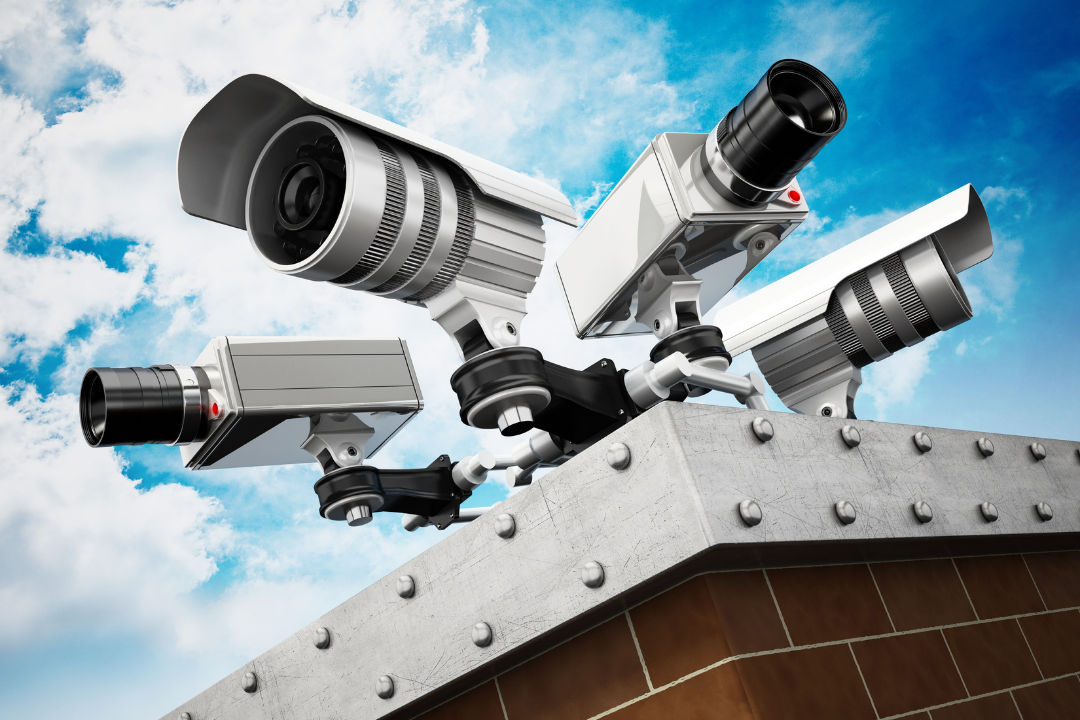
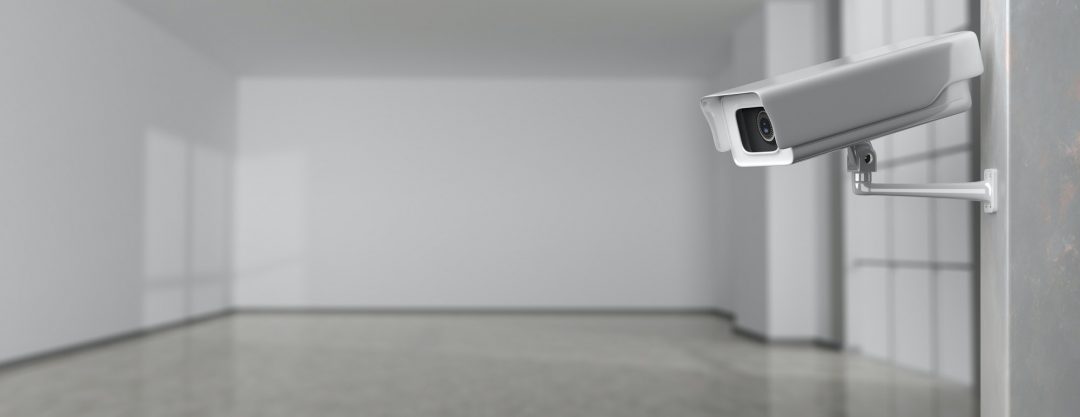
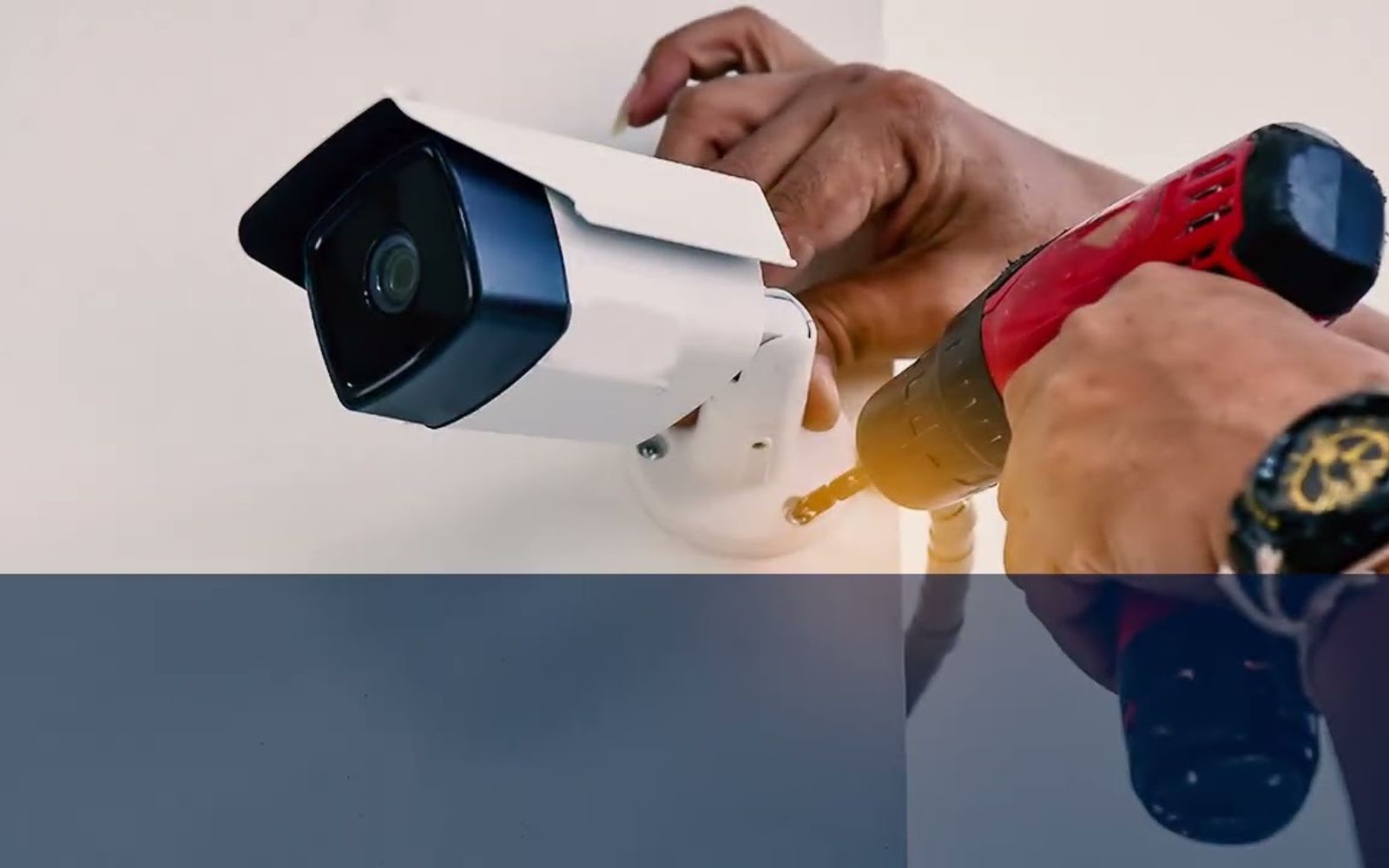
The traditional CCTV systems are hardwired cameras fed into a central recorder known as a DVR through coaxial cables. They constantly record to their own hard-drive and save the footage to be viewed whenever necessary. These are still in demand in 2026 for cost-effective installations or existing buildings with existing wiring. They are consistent and not readily hacked remotely since they aren’t directly attached to the internet.
The offline reliability is a real plus but has a basic operational limit. Traditional CCTV will only recognize the movement of an object and not what caused the movement. This way can only certify damage after it has occurred by definition. It can’t stop it. If you’re not watching the footage from a camera, and the camera is only capturing footage of a break-in, it’s not security, it’s documentation.
What Smart Security Systems Actually Do
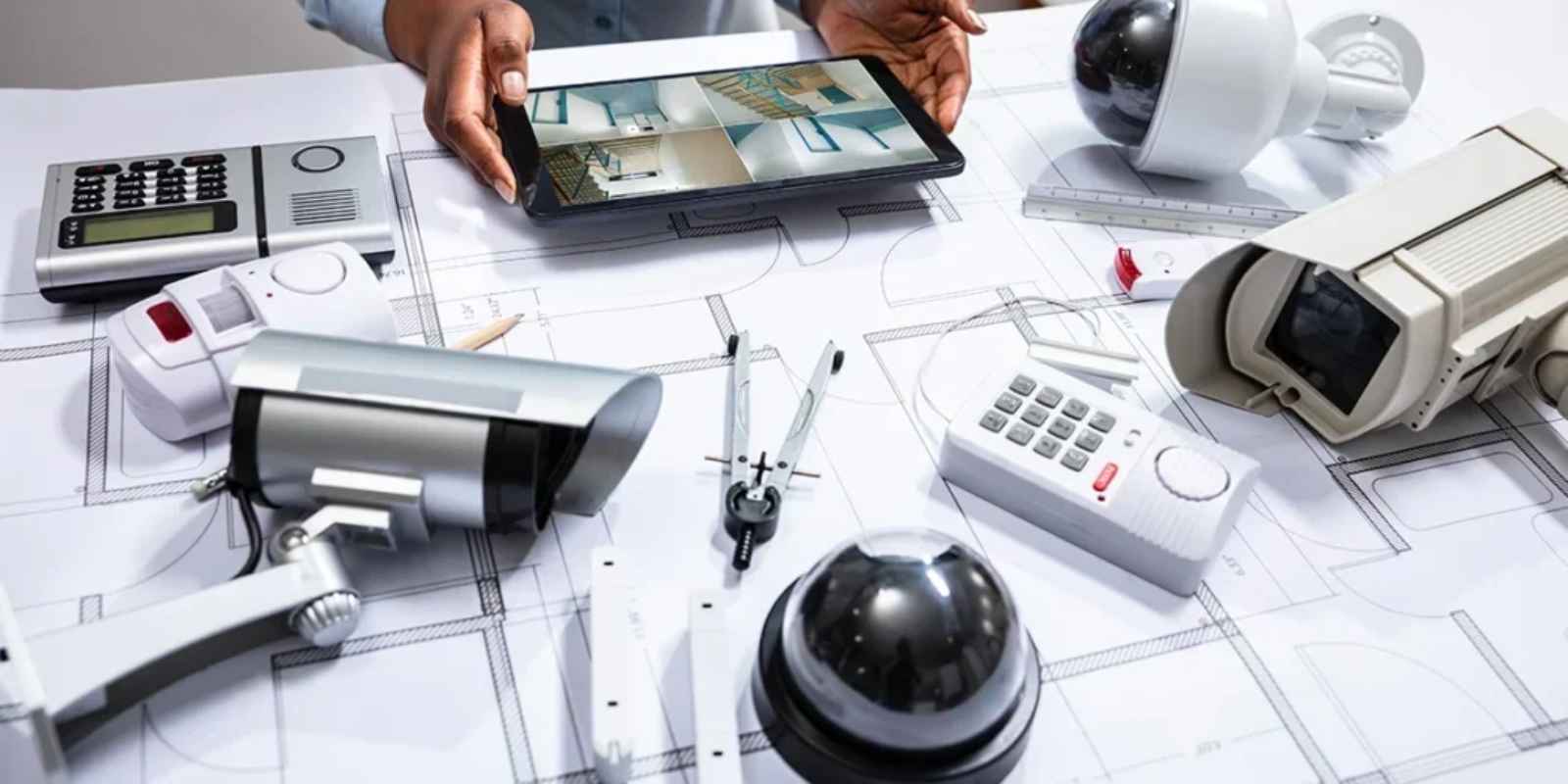
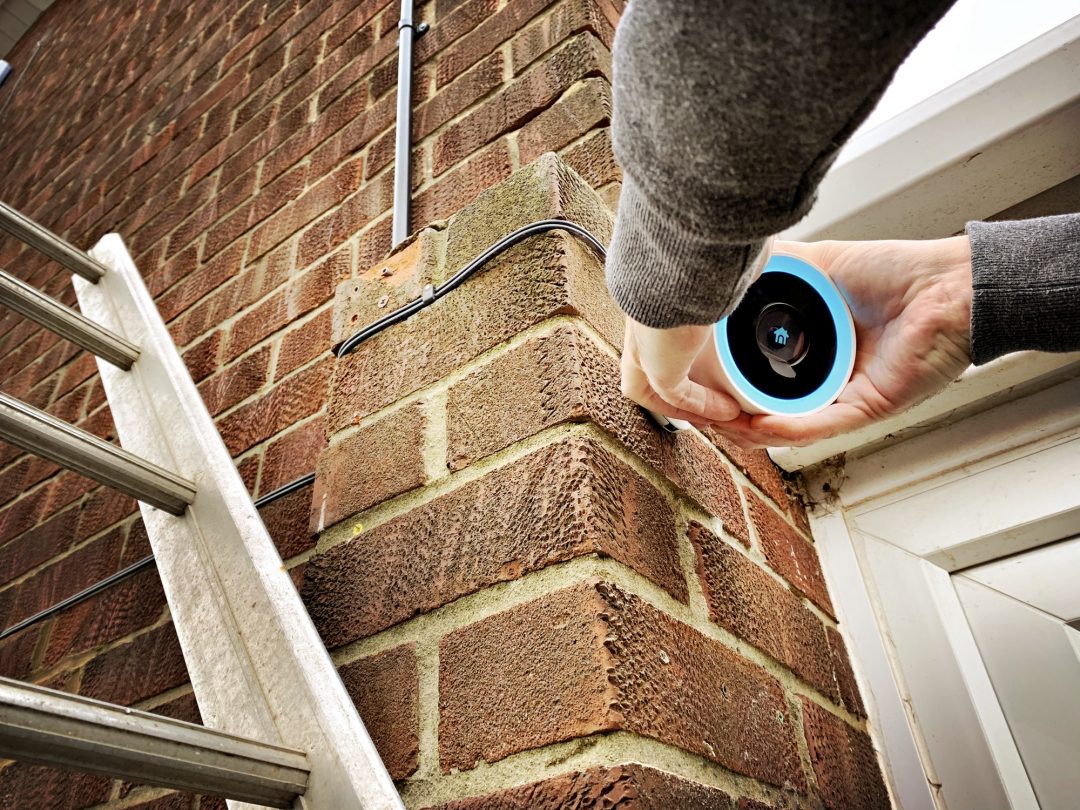
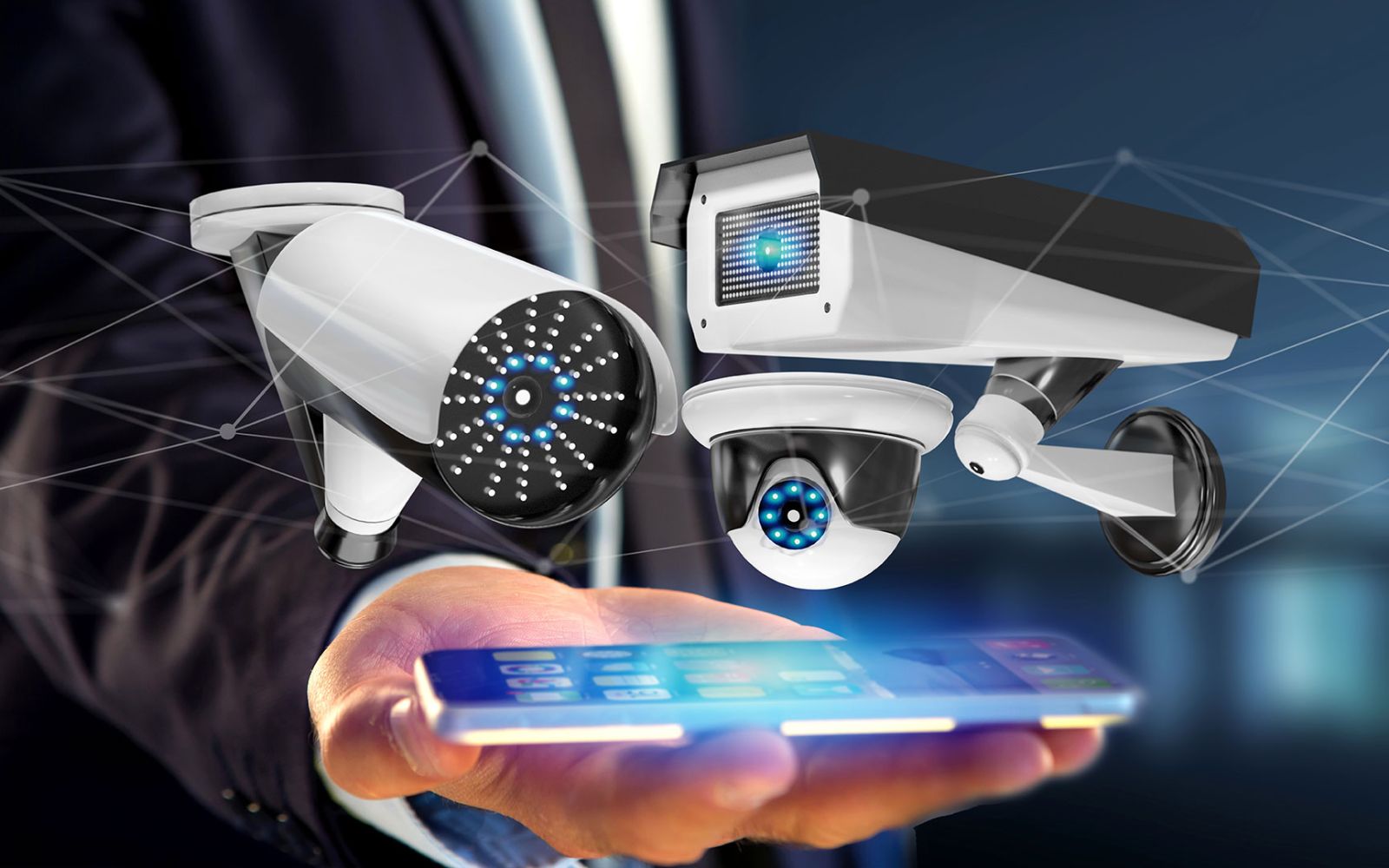
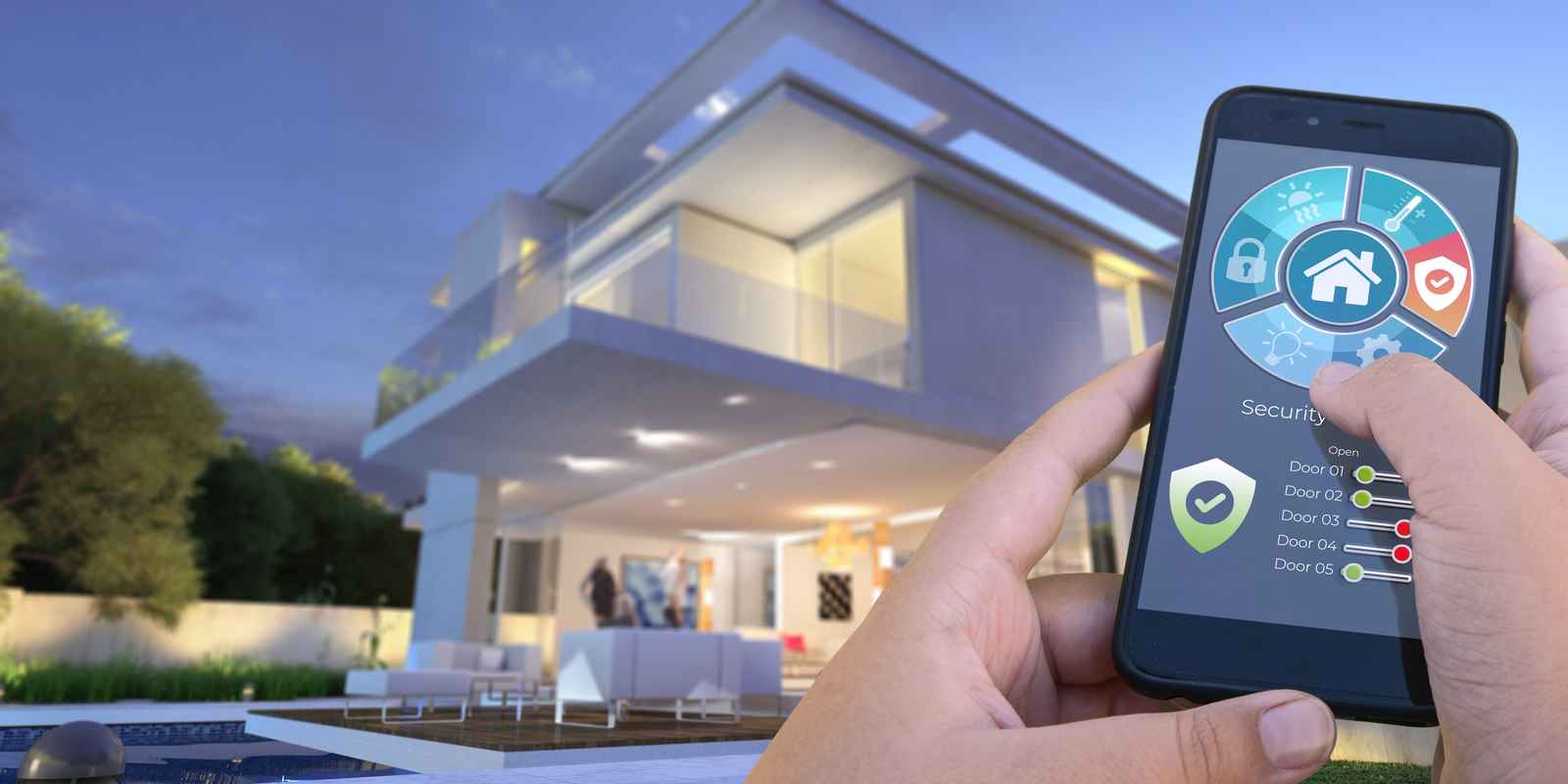
A smart security system is a combination of various security devices – such as cameras, motion detectors, door and window sensors, access control, alarm systems, and professional monitoring – all working together in one connected system. A smart alarm system is based on reaction and response, whereas security cameras are based on visibility and recording, and the best protection is a combination of both into one layered system.
The core operational difference is active detection versus passive recording. When a sensor is triggered, and/or a camera captures an image, smart systems automatically notify property owners and monitoring centers in real-time. The best cameras can detect and alert to movement in just two seconds, which means that the property owner will be able to see what is happening in real time rather than after the intruder is gone. That two-second window is the difference between intervention and documentation.
AI Analytics: Where Smart Systems Leave CCTV Behind
AI-based analytics is the key technology difference between normal CCTV and smart security systems in 2026. When using traditional systems, any kind of movement whether it is passing vehicles, animals or changing shadows creates false alarms, so the operators learn to disregard them.
Today’s AI analysis technology can differentiate between humans, vehicles, and pets, so there is no more nuisance notification from false alerts due to non-interesting movements. These threat categories such as drawn weapons, fallen persons, loitering, unauthorized vehicles, perimeter breaches, crowd formations, smoke and fire and rooftop intrusions can be detected by advanced AI systems, with capabilities that traditional CCTV motion detection can’t even come close. AI analytics takes surveillance from a passive recording capability to an active threat detection layer, particularly for commercial properties that are managing large camera arrays.
Remote Access and Real-Time Monitoring
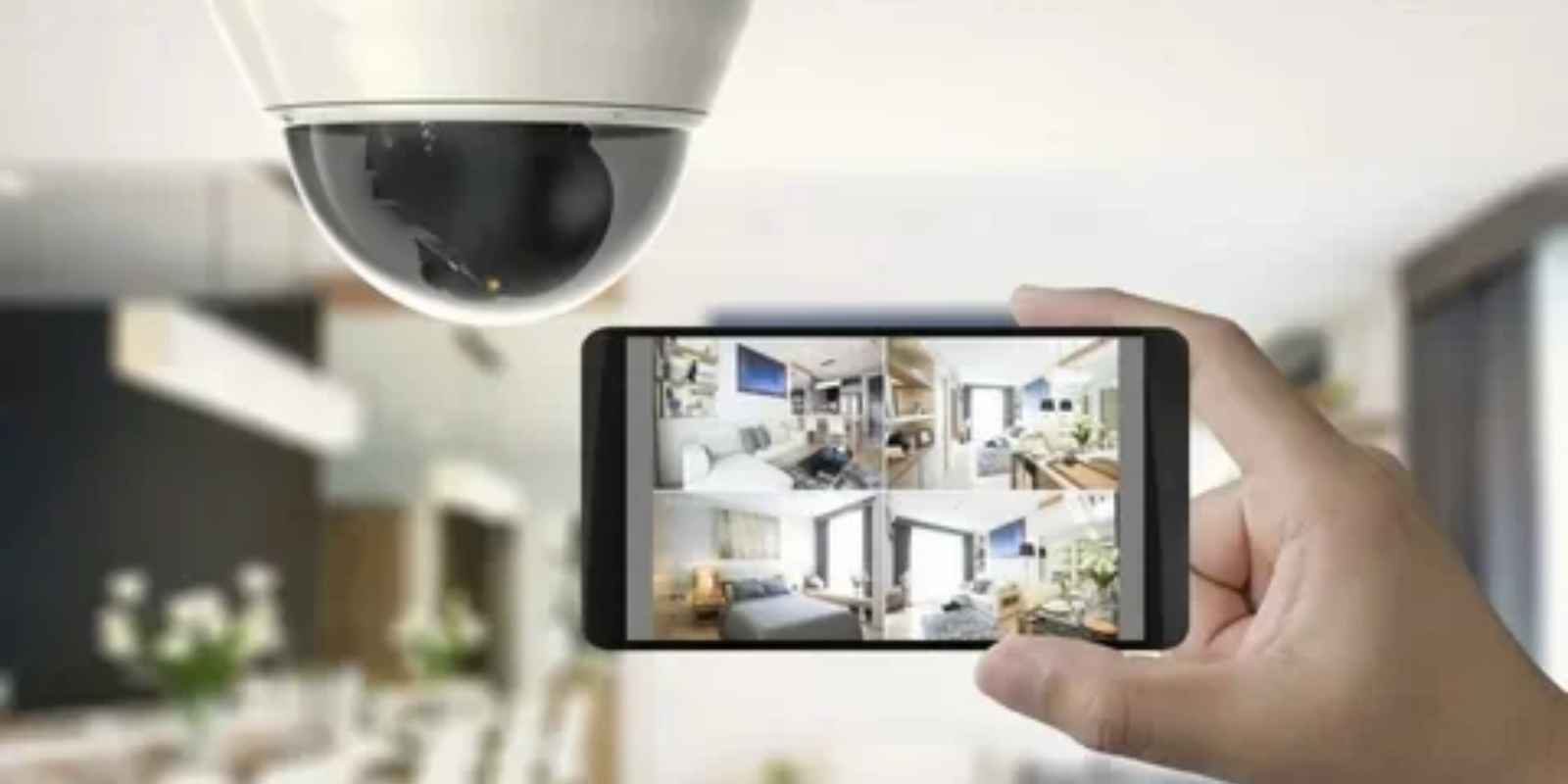
The traditional CCTV footage is stored locally and can be accessed on-site, this requires one to be physically at the CCTV unit to view footage. Smart security cameras, on the other hand, need to be connected to the internet to alert property owners to incoming security alerts via their cell phone and to let them access live feeds from the camera from any location on the planet.
But for commercial property managers who manage more than one site or for residential property owners who travel, remote access is no longer a luxury, but a necessity. Seeing real-time footage, getting alerts in real time, being able to lock or unlock access points and communicate via two-way audio on a smart phone puts the security response timescale from hours to seconds.
Professional Monitoring: The Layer CCTV Cannot Replicate
However, there’s 24/7 protection and response with professional monitoring that cameras won’t provide when self-monitored. Despite the ease of access to smart home tech, just 38 percent of Americans have a security system.
A smart security system will notify the property owner of an alert at the same time as a professional monitoring center. Trained monitoring agents confirm the threat via two-way audio and/or live camera access and call emergency services with an accurate description of the incident, not an alarm that was not confirmed. The whole detection-to-alert process in monitored smart systems takes place in seconds, and direct integration with emergency response systems can be made to dispatch 911 without a phone call. Traditional CCTV has no response support infrastructure behind it and can therefore not take any action on its own.
Cybersecurity: Where CCTV Has a Structural Advantage
This is where the comparison reverses. Traditional CCTV systems that are not connected to the internet on closed coaxial systems have no remote attack surface. One of the first rules of hacking is that a criminal can’t hack a system without a network connection.
Smart security systems, whose function is to be connected to the Internet, must be actively managed for cybersecurity. Some essential cybersecurity tips for connected security cameras are to ensure your home Wi-Fi network is secure, use strong and unique passwords for the cameras and any related apps, update the cameras and routers’ firmware, and disable remote viewing when it’s not needed. Cyber security is not just maintenance for commercial properties with networked security systems; it is a part of the security program. A smart system with poor network security is a vulnerability, not an asset.
Cost Comparison: Installation and Long-Term Ownership
The hardware costs of traditional CCTV are less than those of DVR-based CCTV for commercial buildings, ranging from $500 to $2,500, depending on the complexity of the installation. The total cost of ownership of traditional CCTV, however, tells a different story when you consider the requirements of the system in order for it to be a useful security tool. Even a small 50 camera system requires 4 full-time security operators working round-the-clock, plus turnover, training and benefits a cost that is just as great as the one-time cost of a smart system overlay and is recurring.
Smart security systems cost more up front – professional installation of an integrated commercial system costs between $3,000 and $15,000 depending on the scope of the job and, depending on the size of the property, the monthly monitoring fees range from $30 to $100 for home security systems and $100 to $500 for commercial properties. When compared to those numbers, the cost of manual monitoring labor is eliminated and the frequency of incidents is clearly reduced at professionally monitored properties, creating a cost of ownership that is often more beneficial to smart systems on a large scale.
Which Properties Are Better Suited to Each System
Traditional CCTV Works Best When
The property has existing coaxial wiring infrastructure, the primary requirement is continuous local recording for liability or compliance documentation, internet connectivity is unreliable or unavailable, or budget constraints make connected infrastructure impractical. For those warehouses and industrial sites already using CCTV that is working well, investing in AI overlay software rather than replacing hardware can be a cost-effective solution to enhance analytics.
Smart Security Systems Work Best When
The property must be actively deterred (not just passively recorded), access to remote monitoring is desired, the property must be equipped with more than just cameras, and a professional monitoring response capability is desired. A system with professional monitoring, real time notification and audible alarm is a better and faster response and added peace of mind than cameras as a standalone product.
The Integrated Approach: Why the Best Systems Use Both
The best security installs of 2026 don’t just pick between CCTV and smart systems, they utilize both. The best security configuration is a combination of cameras and alarms for the ultimate security a stronger deterrent, faster response, and more peace of mind than either solution alone.
Conclusion
CCTV records. Smart systems respond. The conventional CCTV is still a cost-effective solution for properties where documentation after the fact is the main requirement. For properties where prevention, real-time detection, and verified response are the priority, which describes most commercial and residential security requirements in 2026, smart security systems deliver capabilities that passive surveillance fundamentally cannot match.
CTD Security has the technical expertise and system knowledge to ensure that professional design and installation of security solutions ensure the property is protected at all levels and not just recorded, professionally designed and professionally monitored security solutions that incorporate CCTV and smart system technology to work as one single monitored security solution.